Understanding Temporary Protected Status (TPS)
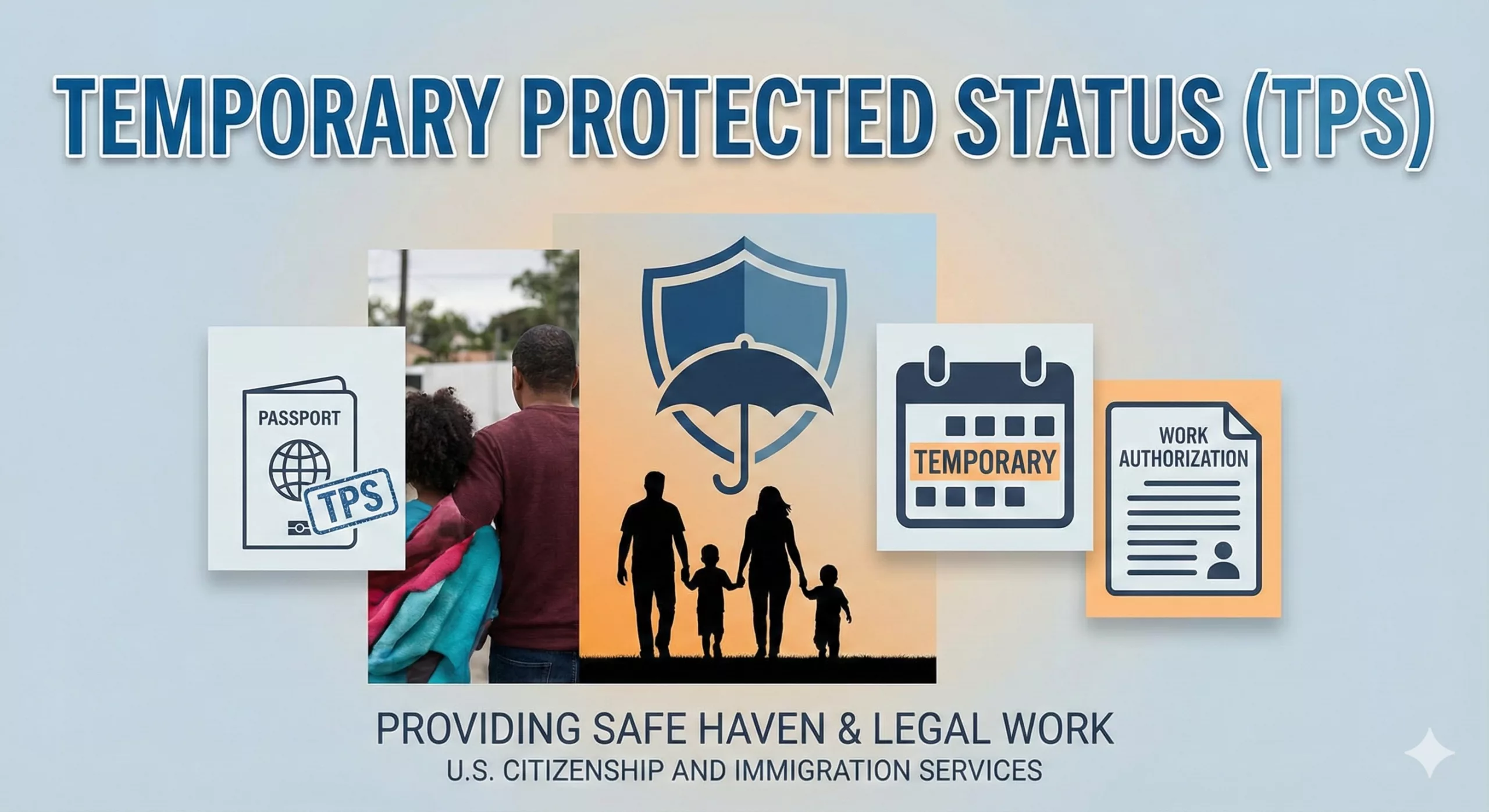
Understanding Temporary Protected Status (TPS): A Simple Guide for Seniors Living Through Big Changes
Immigration can feel confusing these days. New terms show up on the news, headlines get louder, and it’s hard to know what’s true. One phrase you may have heard is Temporary Protected Status, usually shortened to TPS.
TPS is not a new idea. It was created in 1990 as a humanitarian program to keep people safe when their home country becomes too dangerous. Think of it as the U.S. saying, “You can stay here for now because going home isn’t safe.”
This blog post breaks down what TPS really means — in calm, everyday language — so seniors can understand what’s happening in their community without fear, confusion, or politics.
What Is Temporary Protected Status?
TPS is a special designation the U.S. government gives to people already inside the United States when something terrible happens in their home country.
It applies to situations like:
- War or armed conflict
- Natural disasters
- Health crises
- Government collapse
- Widespread violence
When a country is designated for TPS, its citizens in the U.S. are allowed to stay here temporarily until conditions improve back home.
What TPS Allows — and What It Doesn’t
Many people misunderstand this part, so here’s the simple truth:
TPS Allows People To:
- Stay in the United States for a limited time
- Work legally
- Avoid being deported while TPS is active
- Apply for a travel permit
TPS Does Not Allow:
- A green card
- U.S. citizenship
- Bringing family members into the country
- Newly arriving people to claim TPS
In other words, TPS is not a pathway to permanent residency. It’s a humanitarian shelter — a roof over someone’s head while their house back home is on fire.
Who Qualifies for TPS?
Not every immigrant from a TPS country qualifies.
To be eligible, a person must:
- Already be in the U.S. on the date the government sets
- Have lived here continuously since that date
- Pass background and security checks
- Have no serious criminal history
If they arrive after the date, they cannot get TPS.
This helps prevent misuse while still protecting people in danger.
Which Countries Currently Have TPS?
Countries change over time, but as of 2025, TPS includes places affected by war, disasters, and political collapse, such as:
- Ukraine
- Haiti
- Venezuela
- El Salvador
- Ethiopia
- Sudan
- Syria
- Yemen
- Burma (Myanmar)
- Cameroon
- Honduras
- Nicaragua
- South Sudan
- Nepal
- Afghanistan
- Lebanon
New countries may be added if crises worsen.
Why Seniors Should Understand TPS
Many seniors live in neighborhoods with new immigrants. Some live in mixed-age housing. Others ride public transportation or share clinics, grocery stores, and churches with families from around the world.
Knowing what’s going on brings peace of mind.
Here’s why understanding TPS matters:
1. It Reduces Confusion
Seniors see news stories about immigration and wonder why certain groups are allowed to stay. TPS clears up part of that mystery.
2. It Helps Build Understanding
Some TPS holders have been here 10–20 years. They work, pay taxes, and raise families. Many become part of the local community.
3. It Keeps the Conversation Civil
When people know the facts, they’re less likely to believe rumors or get pulled into angry debates.
4. It Shows How America Balances Safety and Compassion
TPS is temporary. It’s reviewed often. It’s not an open door. But it’s also not heartless. It’s a balancing act most people can respect.
A Simple Way to Think About TPS
Imagine your neighbor’s house catches fire. They run to your porch for safety. You let them stay until the fire department clears the danger. You don’t adopt them. You simply give them a safe place to wait.
That’s all TPS is.
What Happens When TPS Ends?
When conditions improve in the home country, the government can end TPS.
When that happens, people with TPS:
- Lose protection from deportation
- Lose their legal work permit
- Must return home unless they qualify for another legal status
Sometimes the end date is extended many times if the country is still unsafe.
Final Thought
Seniors have lived long enough to know life can turn upside down in a day. Hurricanes, fires, political unrest, illness — we’ve seen it all. TPS is simply a humanitarian way of saying:
“No one should be sent back to danger.”
You don’t have to agree with every policy to appreciate the basic idea of keeping people safe during a crisis.
Understanding this program helps us stay informed, calm, and compassionate — which fits perfectly with the Phoenix72 spirit of rebuilding, resilience, and dignity at any age.
Reflection Questions
- What fears or questions do you still have about immigration or TPS?
- Have you met neighbors or community members who may be living under TPS or other protections?
- How can staying informed help reduce stress and confusion in your daily life?