The Shaolin Monk Mindset
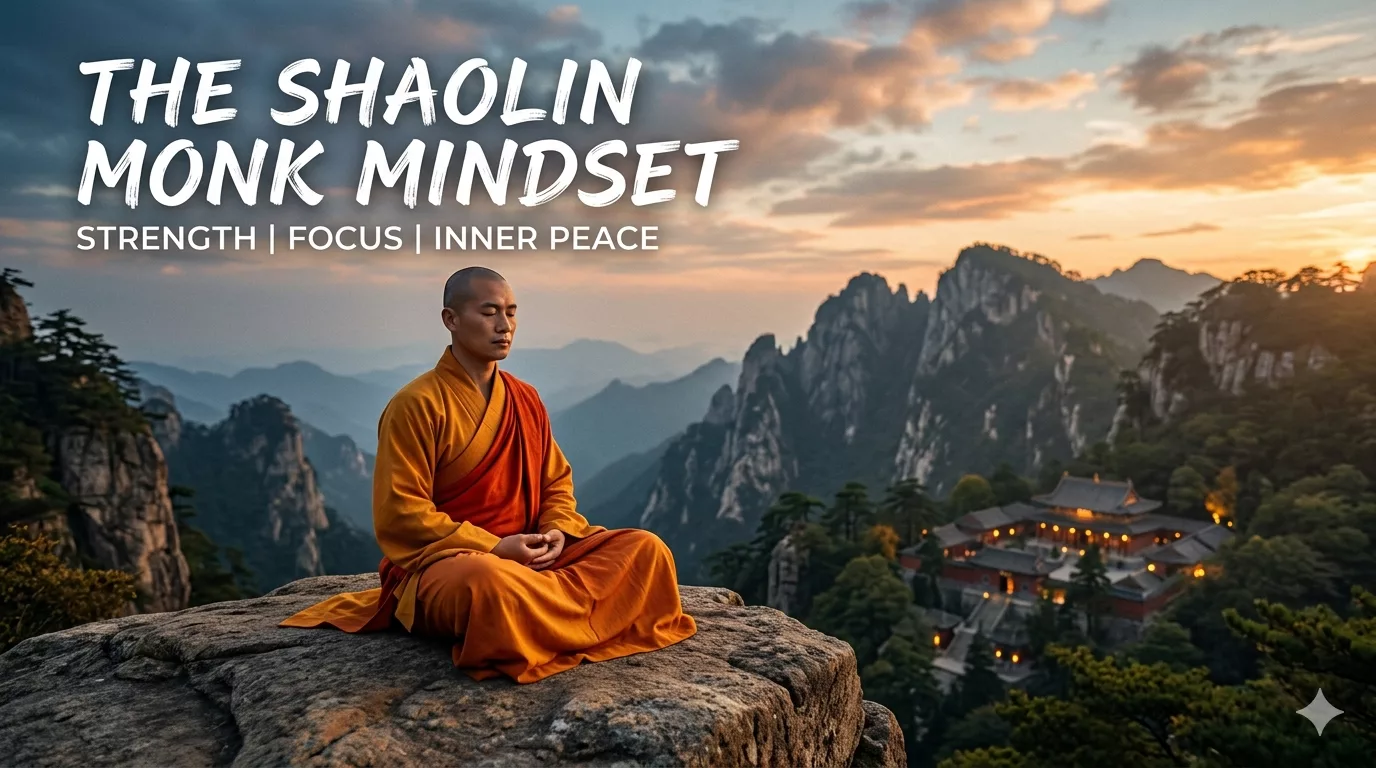
The Shaolin Monk Mindset: Ancient Discipline for a Modern Life
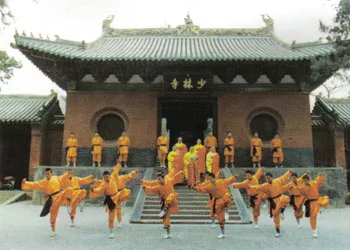
In a noisy, distracted world, the image of a Shaolin monk feels almost unreal.
A quiet temple.
Simple robes.
A life of discipline, movement, and stillness.
But the truth is this: the Shaolin way is not ancient history. It is a living philosophy—and it may be more relevant today than ever.
Especially for those of us rebuilding strength, clarity, and purpose later in life.
What Is the Shaolin Philosophy?
Shaolin monks are not just martial artists. They are practitioners of a complete system of life built on three pillars:
1. Discipline of the Body
Strength, flexibility, endurance, and daily training.
2. Discipline of the Mind
Focus, awareness, emotional control, and clarity.
3. Discipline of the Spirit
Purpose, simplicity, and inner peace.
Their training combines Chan (Zen) Buddhism, meditation, and kung fu—not for fighting, but for mastery of the self.
At its core, Shaolin philosophy asks one question:
Can you govern yourself?
Why This Matters Today
Modern life pulls you in the opposite direction.
- Constant distraction
- Endless comfort
- Weak routines
- Emotional reactivity
- Loss of purpose after retirement
Many people over 60 feel this deeply.
Not because they are incapable—but because they have drifted.
The Shaolin monk does not drift.
He trains.
The Power of Daily Discipline

A Shaolin monk does not rely on motivation.
He relies on routine.
Every day:
- He wakes early
- He trains his body
- He practices stillness
- He repeats what works
This is where most people fail—not in knowledge, but in consistency.
For a modern reader, the lesson is simple:
You do not need intensity. You need repetition.
A short daily walk
A few strength exercises
Ten minutes of quiet breathing
Done every day, this becomes power.
Calm Is Strength
One of the most misunderstood ideas about strength is that it is aggressive.
Shaolin philosophy teaches the opposite.
Calm is strength.
A trained mind does not react—it observes.
- Anger becomes information
- Fear becomes awareness
- Stress becomes a signal, not a command
This is deeply relevant today, where emotional overreaction is common.
For seniors especially, this is a form of protection.
A calm mind:
- prevents poor decisions
- reduces stress on the body
- improves relationships
- creates quiet confidence
The strongest person in the room is often the most controlled.
Simplicity as a Way of Life

Shaolin monks live with very little.
Not because they must—but because they choose to.
They understand something many people learn too late:
Complexity weakens you. Simplicity strengthens you.
In modern life, clutter shows up as:
- too many possessions
- too much information
- too many obligations
- too much mental noise
For someone rebuilding life after 60, simplicity is not deprivation.
It is freedom.
- Fewer expenses
- Fewer distractions
- More clarity
- More control
This aligns closely with your Phoenix72 philosophy:
Practicing less to become more.
The Body Must Be Trained
Shaolin monks never separate philosophy from the body.
They understand a hard truth:
A weak body creates a weak mind.
This does not mean extreme training.
It means consistent, intentional movement.
For a modern senior, this could mean:
- balance exercises
- light strength training
- walking daily
- mobility work
The goal is not perfection.
The goal is capability.
To stand strong.
To move with control.
To reduce dependence.
This is dignity in physical form.
The Shaolin Lesson for the Second Half of Life

The deeper lesson of the Shaolin monk is not about temples or martial arts.
It is about choice.
At any age, you can choose:
- discipline over drift
- calm over reaction
- simplicity over excess
- strength over decline
Many people assume the later years are for slowing down and letting go.
The Shaolin philosophy suggests something different:
This is the time to refine yourself.
To remove what is unnecessary.
To strengthen what remains.
To live with clarity.
A Simple Shaolin-Inspired Daily Code
You don’t need a monastery to live this way.
You need a code.
Try this:
- Move your body every day
- Sit in silence for 5–10 minutes
- Reduce one form of excess
- Control your reactions
- Repeat tomorrow
Simple. Not easy. Powerful.
Final Thought
The Shaolin monk is not a relic of the past.
He is a reminder.
A reminder that strength is built, not given.
That peace is practiced, not found.
That discipline is freedom, not restriction.
And perhaps most importantly:
It is never too late to begin again.