The Science of Getting Rich — Main Ideas
The Science of Getting Rich — Main Ideas
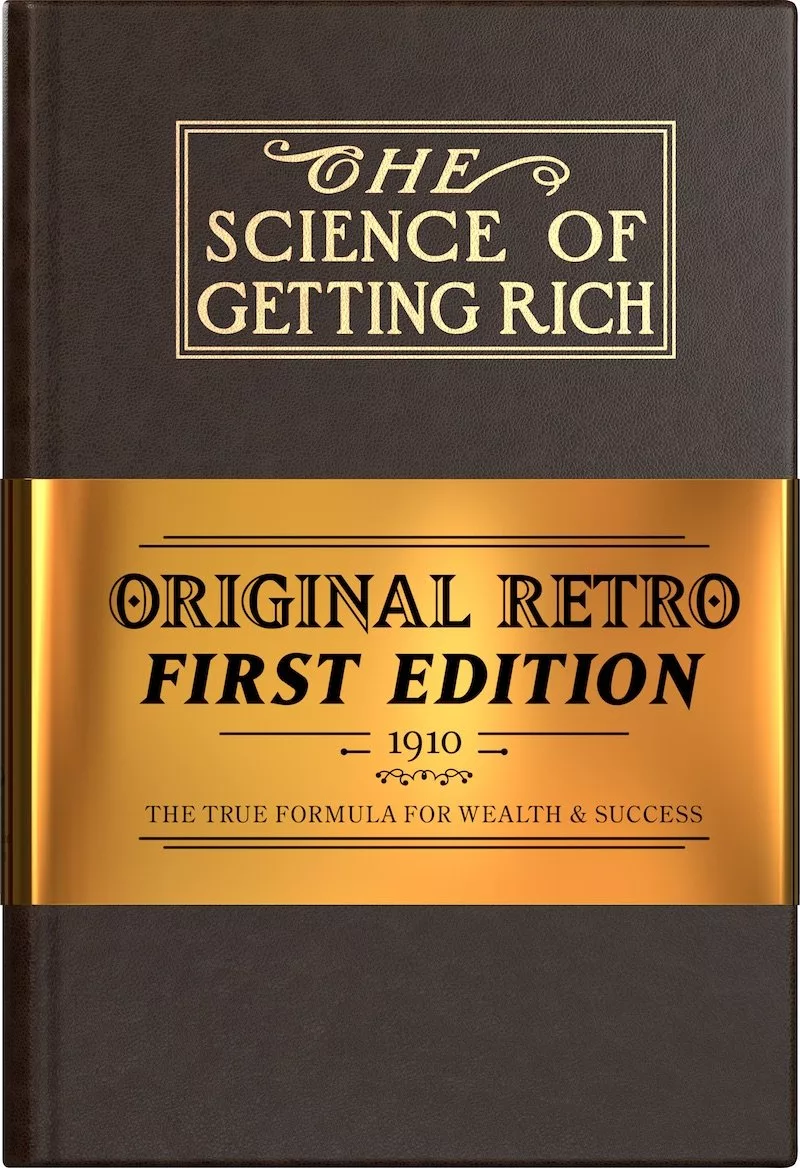
Wallace D. Wattles published The Science of Getting Rich in 1910. The book is short but influential and helped shape later “law of attraction” and prosperity teachings.
His style from 100+ years ago can be hard to digest.
So here are the core ideas distilled into the main principles of the book.
1. There Is a “Thinking Substance”
Wattles claims the universe is made of a formless thinking substance from which all things are created.
Key idea:
- Thoughts can impress themselves upon this substance.
- When a person holds a clear thought of what they want, the substance begins forming it.
In simple terms:
Thought is a creative force.
2. Thought + Belief Creates Reality
It is not enough to simply want something.
Wattles says you must:
- Think clearly about what you want
- Believe it is possible
- Hold the mental image steadily
This process supposedly directs creative energy into material results.
3. You Must Form a Clear Mental Picture
The book repeatedly stresses clarity of vision.
You should:
- Decide exactly what you want
- Hold a detailed mental picture of it
- Feel gratitude as if it already exists
Vague desires produce vague results.
4. Act in the “Certain Way”
Thinking alone is not enough.
Wattles emphasizes practical action.
You must:
- Work faithfully
- Take advantage of opportunities
- Do each task efficiently and intelligently
He calls this acting in the “Certain Way.”
5. Do More Than You Are Paid For
One of Wattles’ practical rules:
Always give more value than you receive.
Why?
- It builds trust
- Creates opportunity
- Expands influence and income
He believes increasing value eventually increases wealth.
6. Do Not Compete — Create
Wattles discourages competition.
Instead he encourages creative growth.
Key idea:
- Competing fights over existing resources.
- Creating produces new wealth.
The goal is to expand possibilities, not defeat others.
7. Gratitude Multiplies Results
Gratitude is a central discipline in the book.
Wattles teaches:
- Be thankful constantly.
- Gratitude keeps the mind focused on abundance.
- It strengthens belief and attracts more opportunity.
8. Avoid Negative Thinking
Fear, doubt, and worry are described as destructive forces.
They interrupt the creative process.
Therefore:
- Avoid complaining
- Avoid resentment
- Maintain confidence and certainty
9. You Have the Right to Be Rich
Wattles argues that wealth is not immoral.
His reasoning:
- Money allows fuller self-expression
- It enables growth and contribution
- Poverty limits development
So he frames wealth as a natural and moral pursuit.
10. Personal Growth Is the Ultimate Goal
The book ultimately links wealth with personal development.
Money is valuable because it allows:
- Education
- Travel
- creativity
- spiritual and intellectual growth
Thus wealth is seen as a tool for a larger life.
The Core Formula of the Book
Wattles essentially teaches this sequence:
- Know what you want
- Hold a clear mental image
- Believe it is possible
- Feel gratitude
- Act efficiently every day
- Create value for others
- Maintain unwavering faith
✅ In short:
The book blends New Thought philosophy, psychology, and practical work ethics into a system that claims focused thinking plus disciplined action can produce wealth.
The Science of Getting Rich — Deeper Breakdown
1. The 17 Core Principles Wattles Teaches
These are distilled from the chapters and teachings of the book.
1. Wealth Is Necessary for Full Life
People should seek wealth because it allows growth, expression, and freedom.
2. Thought Is a Creative Force
The universe contains a formless thinking substance that responds to human thought.
3. Like Produces Like
Thoughts of wealth produce wealth; thoughts of poverty produce poverty.
4. You Must Know What You Want
Vague desire produces vague outcomes. Clarity is essential.
5. Hold a Definite Mental Picture
Constantly visualize the life and results you want.
6. Combine Thought With Belief
Faith must accompany visualization.
7. Practice Gratitude
Gratitude keeps the mind aligned with abundance.
8. Act in the “Certain Way”
Thought must be combined with efficient daily action.
9. Do Each Day’s Work Well
Focus on the present task rather than worrying about the future.
10. Give More Value Than You Receive
This builds opportunity and long-term prosperity.
11. Avoid Competition
Creation expands wealth; competition merely redistributes it.
12. Use Willpower to Direct Thought
Willpower is used to hold the mental image steady.
13. Do Not Worry About How
Focus on the vision rather than the mechanism.
14. Surround Yourself With Positive Inputs
Avoid negativity and doubt.
15. Expect Opportunities
Believe opportunities will appear and act on them.
16. Grow Continuously
Wealth is part of an ongoing process of expansion.
17. Live With Confidence and Purpose
Maintain certainty that the process works.
2. A Stoic / Senior Warrior Philosopher Critique
For someone following the spirit of Epictetus,Marcus Aurelius, or even Bruce Lee, Wattles’ ideas are partly useful and partly flawed.
Where Wattles Is Strong
1. Clarity of Purpose
Stoics also emphasize knowing what you aim for.
Marcus Aurelius wrote:
“The impediment to action advances action.”
Both philosophies encourage decisive focus.
2. Daily Action
Wattles’ “Certain Way” aligns with Stoic discipline:
- Focus on today’s duty
- Work diligently
- Improve gradually
This mirrors Stoic practice.
Where Stoics Would Disagree
1. Stoics Reject Magical Thinking
Stoicism does not teach that thoughts manifest wealth through cosmic substance.
Stoics believe:
- Reality follows natural law
- Outcomes are uncertain
- Only virtue is truly controllable
2. Wealth Is Not the Highest Goal
Stoics consider wealth a “preferred indifferent.”
It may help life, but it does not define success.
True wealth is:
- character
- discipline
- wisdom
- inner calm
3. Acceptance of Fate
Stoicism teaches acceptance of outcomes.
Wattles implies that correct thinking guarantees success.
Stoics would say:
Do your best work — but accept whatever happens.
Senior Warrior Philosopher Synthesis
A practical synthesis might be:
Keep Wattles’ discipline, discard the mysticism.
Useful parts:
- clear goals
- gratitude
- daily effort
- providing value
Replace the rest with:
- Stoic realism
- resilience
- adaptability
3. Wattles’ Influence on Modern Success Literature
Wattles’ book quietly shaped many later bestsellers.
Think and Grow Rich
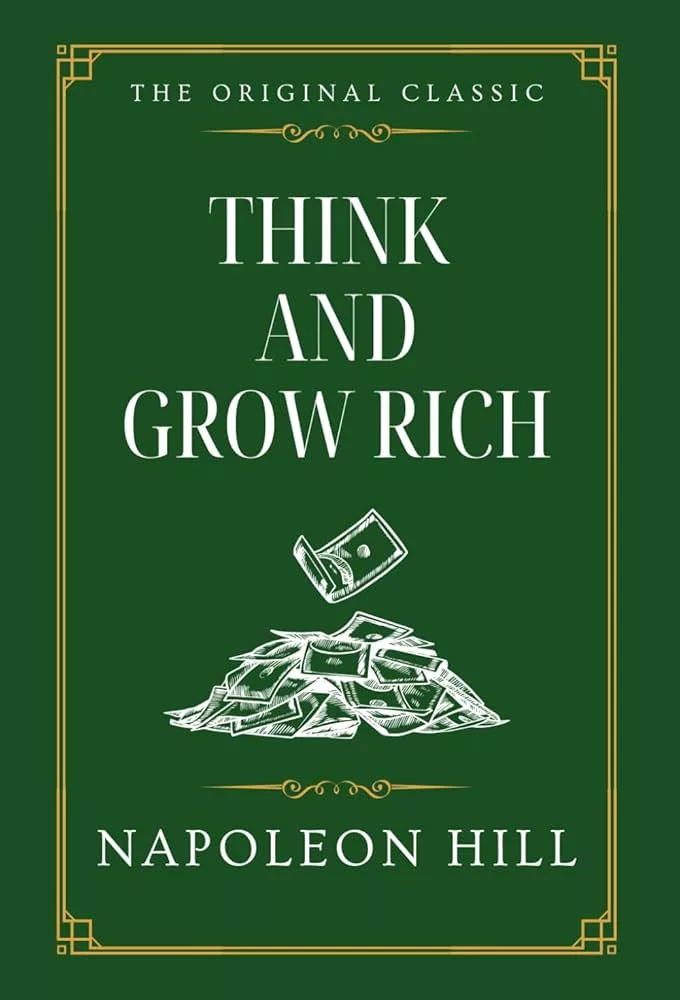
Published 27 years later by Napoleon Hill.
Hill borrowed several Wattles ideas:
Shared themes:
- definite purpose
- visualization
- belief
- autosuggestion
- persistence
Hill expanded Wattles by adding:
- case studies of wealthy people
- the “Master Mind” concept
- psychological persuasion techniques
I believe this is the most over-hyped book in existence.
The Secret

Written by Rhonda Byrne.
This book is essentially a modern rebranding of Wattles.
Direct similarities:
| Wattles | The Secret |
|---|---|
| Thought creates reality | Law of attraction |
| Visualization | Visualization |
| Gratitude | Gratitude exercises |
| Faith | Emotional belief |
The main difference:
- Wattles emphasizes hard work
- The Secret emphasizes mental attraction
Many critics say The Secret removed the work ethic part.
Final Perspective
Historically, The Science of Getting Rich sits at the root of the modern success philosophy tradition.
Its influence runs through:
- Think and Grow Rich
- The Secret
- the modern Law of Attraction movement
But a Senior Warrior Philosopher interpretation would likely say:
Clear thinking + disciplined action + resilience matter far more than mystical attraction.
The Science of Getting Rich Through the Lens of Modern Psychology
When Wallace D. Wattles wrote his book in 1910, psychology was still primitive.
Surprisingly, some of his ideas align strongly with modern behavioral science, while others collapse under scrutiny.
Below is a clear breakdown.
5 Wattles Ideas That Hold Up Under Modern Psychology
These ideas are supported by research in goal setting, cognitive psychology, and behavioral science.
1. Clear Goals Improve Performance
Wattles repeatedly says you must know exactly what you want.
Modern science strongly supports this.
Research by Edwin Locke and Gary Latham shows:
- Specific goals outperform vague intentions
- Measurable targets increase persistence
- Clear direction improves decision-making
In short:
Clarity drives action.
2. Visualization Can Improve Outcomes
Wattles promoted mental images of success.
Modern psychology confirms this — with limits.
Studies show visualization can:
- improve athletic performance
- increase motivation
- strengthen confidence
However, the most effective form is process visualization, not fantasy outcomes.
Example:
- Imagining yourself doing the work, not just enjoying the result.
3. Gratitude Improves Mental Health
Wattles emphasized constant gratitude. I lean toward ho’oponopono.
Research from psychologists like Robert Emmons shows gratitude can:
- reduce stress
- improve optimism
- increase life satisfaction
- strengthen relationships
Gratitude shifts attention away from scarcity thinking.
4. Taking Immediate Action Builds Momentum
Wattles’ idea of acting in the “Certain Way” matches behavioral activation research.
Psychology shows:
Action → motivation → more action.
This principle appears in:
- habit formation science
- cognitive behavioral therapy
- productivity research
Small actions reduce overwhelm.
5. Providing Value Creates Opportunity
Wattles said:
Give more use value than you take in cash value.
Modern economics and career research support this.
People who create value tend to gain:
- reputation
- trust
- referrals
- advancement
In practical terms:
Value creation attracts opportunity.
5 Wattles Ideas That Do NOT Hold Up
These ideas conflict with modern science.
1. The Universe Is a “Thinking Substance”
Wattles believed reality is made of a formless substance that responds to thought.
There is no scientific evidence for this.
Modern physics and neuroscience do not support the idea that thoughts directly alter physical reality.
2. Thoughts Directly Create Wealth
Wattles suggests thinking about wealth causes it to appear.
Behavioral science shows outcomes depend on:
- skills
- effort
- networks
- opportunities
- environment
Thinking alone does not produce results.
3. Negative Thinking Blocks Success
Wattles warned that doubt or worry destroys results.
Modern psychology shows that moderate realism is healthy.
Some negative emotions are useful:
- anxiety helps preparation
- caution reduces risk
- doubt improves decision-making
Blind optimism can be harmful.
4. Do Not Compete
Wattles rejected competition.
But modern research shows competition can:
- improve performance
- accelerate innovation
- increase motivation
Healthy competition can drive growth.
5. If the System Is Followed, Success Is Guaranteed
Wattles implies the method always works.
Reality includes factors outside personal control:
- economic cycles
- health
- market conditions
- random events
Modern psychology emphasizes probability, not guarantees.
The Balanced Interpretation
If we strip away the mysticism, Wattles’ system becomes something like this:
Useful core:
- clear goals
- gratitude
- consistent action
- value creation
- mental focus
Discard:
- magical manifestation
- cosmic substance theories
- guaranteed success claims
A Senior Warrior Philosopher Perspective
A philosophy inspired by Marcus Aurelius and
Bruce Lee would translate Wattles this way:
Think clearly.
Act daily.
Provide value.
Accept reality.
In other words:
Discipline matters far more than manifestation.