Hoover Carts
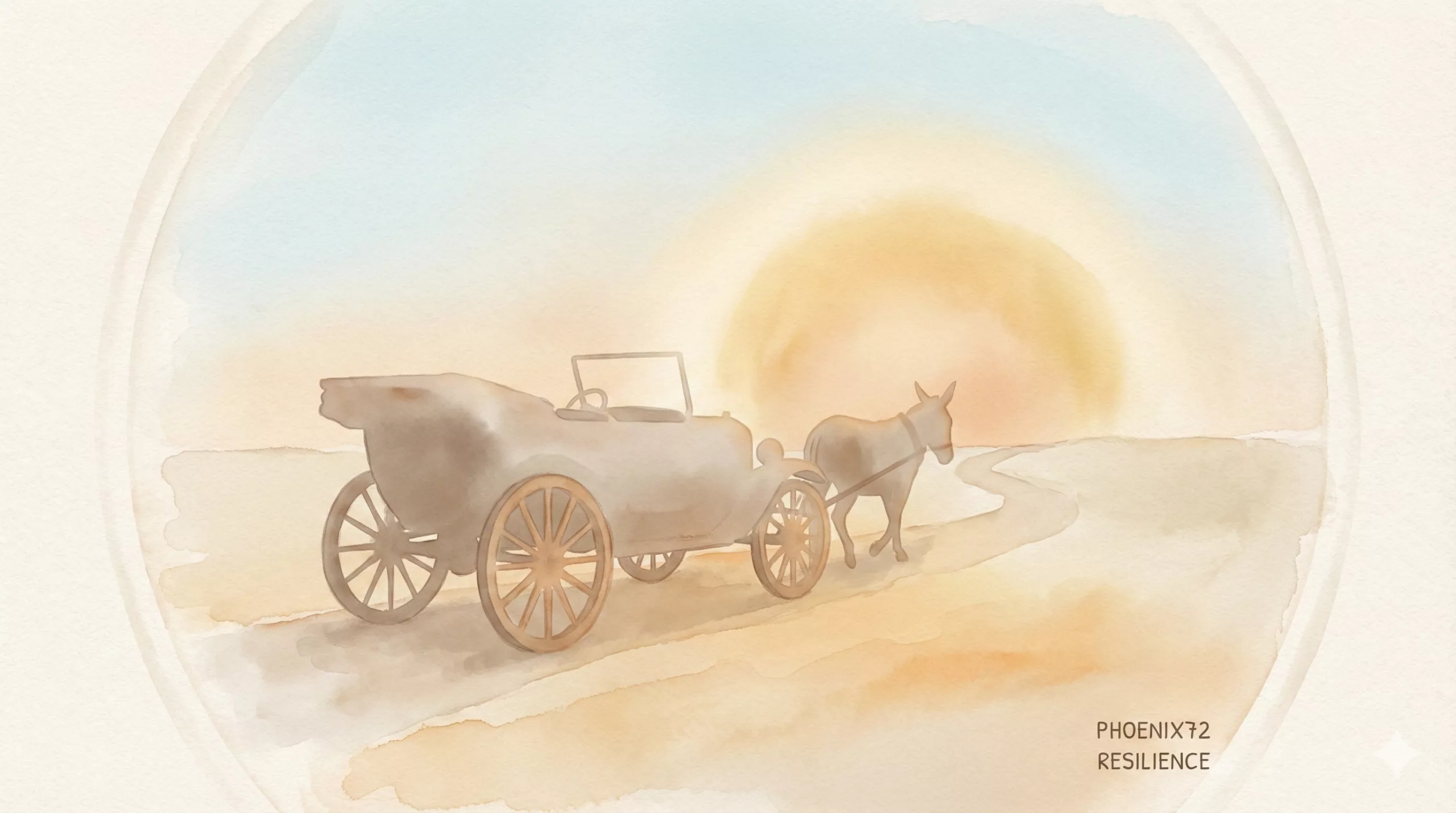
Hoover Carts: Depression-Era Ingenuity and the Quiet Strength of Starting Over
When times get tough, people get creative. One of the most surprising symbols of that resilience came out of the Great Depression: the Hoover cart—an old car body pulled by a horse or mule, rebuilt from scraps by families who refused to give up.
I heard about this many years ago from my parents and grandparents who all lived in small towns or rural North Carolina.
It was more than a vehicle. It was a reminder that when life strips things down to the basics, we still find ways to keep moving.
For seniors today, especially those rebuilding after health scares, financial setbacks, or big life changes, the spirit behind the Hoover cart carries a powerful message: you don’t need perfect conditions to move forward—just the willingness to adapt.
What Exactly Was a Hoover Cart?
During the 1930s, many families owned cars but could no longer afford the gasoline, tires, or repairs needed to drive them.
Instead of letting these broken cars rust away, people removed the engines, reinforced the frames with scrap lumber, and hitched them to horses or mules.
A Hoover cart looked like:
- A Model T or early-1930s car body
- No engine under the hood
- Wooden wheels or axles made from farm tools and salvaged materials
- A mule or horse pulling the “car” down a dirt road
It was a patchwork of pride, practicality, and survival.
Why They Were Called “Hoover Carts”
The name was a political jab at President Herbert Hoover, who many blamed for the deepening Depression.
People also coined:
- Hoovervilles – makeshift camps for the homeless
- Hoover blankets – old newspapers used for warmth
- Hoover flags – empty pockets turned inside out
A Hoover cart was yet another reminder that families had been left to fend for themselves.
But the name also carried a second meaning: people found ways to move forward even when resources were scarce.
What Hoover Carts Symbolized
1. Ingenuity When Nothing Is Ideal
When the world closed in, families looked at what they had—an old car, a mule, a pile of lumber—and made it work.
No complaining.
No waiting for rescue.
Just resourcefulness.
2. Community and Cooperation
Neighbors often helped each other rebuild these carts. Tools, advice, spare parts—everyone shared what little they had. Hardship pulled communities together instead of apart.
3. A Quiet, Steady Will to Keep Going
The Hoover cart was slow, uncomfortable, and far from glamorous. Yet it got families from the farm to town, from home to work, and from one day into the next.
Sometimes survival is exactly that: slow, steady forward motion.
Why This Still Matters—Especially After Age 60
Many seniors today face their own “Great Depression moments”:
- Downsizing
- Living alone for the first time in decades
- Tight budgets
- Rebuilding health after diabetes, injury, or illness
- Starting over without a clear roadmap
The Hoover cart reminds us that you don’t need new gear, a fancy plan, or ideal conditions to rebuild your life.
You can improvise.
You can adapt.
You can use what you have.
A simple apartment, a strict food budget, a new routine, or a fresh notebook can become your modern “Hoover cart”—a tool for moving forward when you once felt stuck.
Progress doesn’t have to be fast. It doesn’t have to be pretty. It just needs to continue.
Practical Lessons Seniors Can Borrow From the Hoover Cart
1. Simplify the Journey
You don’t need the equivalent of a shiny new car. Strip life down to what actually carries you forward:
- A few healthy habits
- A peaceful morning routine
- A small savings plan
- One doable daily task
2. Adapt When Resources Are Limited
When money, energy, or mobility are tight, creativity grows.
- Can you walk instead of drive?
- Can you repurpose what you already own?
- Can you swap a complicated diet for simple carnivore/keto basics?
3. Accept Slow Progress
A Hoover cart didn’t win races. It won the day by moving, even slowly.
Your health, finances, and second act can work the same way—slow improvements, faithfully repeated.
4. Ask for Help When You Need It
Just like neighbors rebuilt carts together, community still matters. Asking for a little help isn’t weakness—it’s survival wisdom.
Closing Thought
The Hoover cart isn’t just a historical curiosity—it’s a symbol of what Americans do best when life gets rough: simplify, adapt, and keep going.
If you’re rebuilding your health, income, or independence at 60, 70, or beyond, you’re already living the same spirit.
Your path doesn’t have to be perfect. It just has to move forward.
Reflection Questions
- Where in your life do you need to “remove the engine” and simplify something that no longer works?
- What resources, skills, or habits do you already have that you can repurpose right now?
- Who could be part of your modern “community of helpers” as you rebuild your next chapter?