Auto Cat Feeder
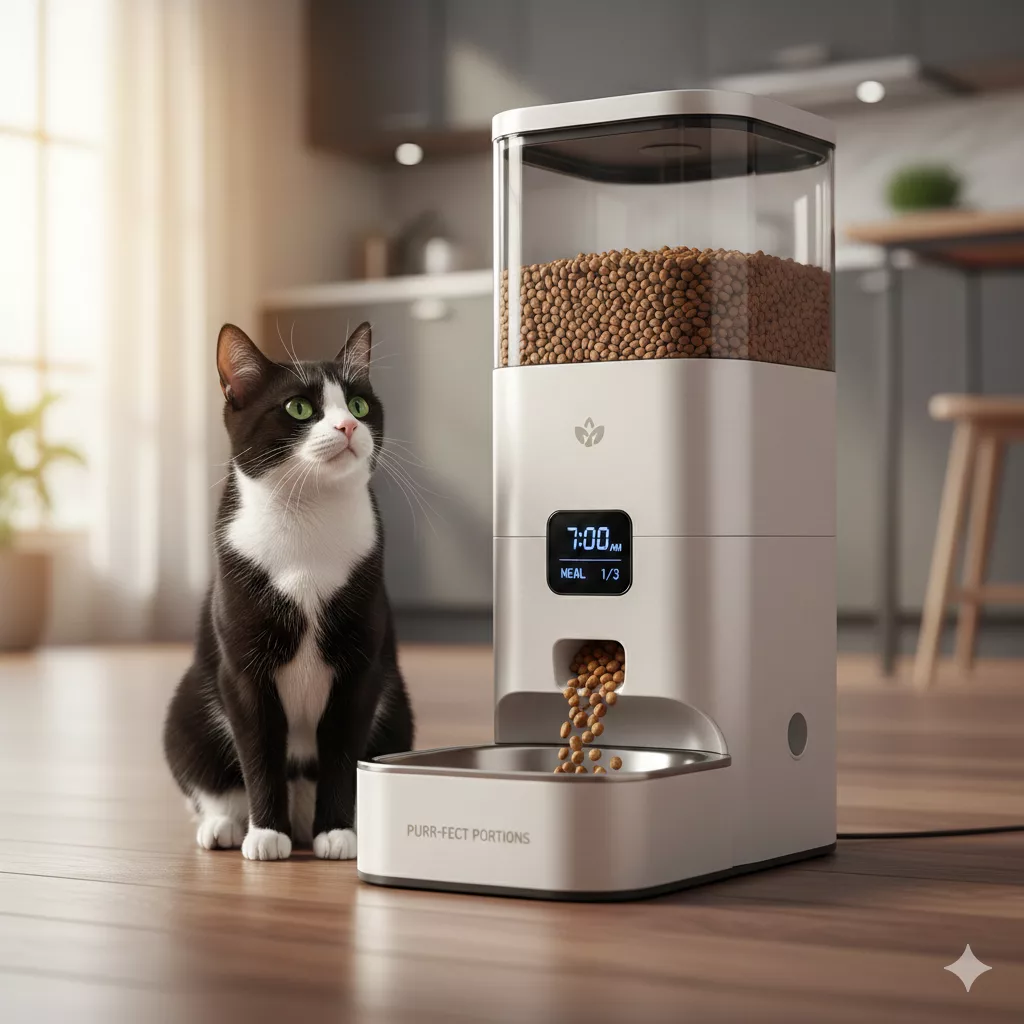
Auto Cat Feeder
Fat boy is getting too much food. I need to adjust the feeder or stop using it.
=====
The U.S. recently paused immigrant visa processing for 75 countries starting January 21, 2026, to reassess public charge risks, with countries like Afghanistan, Brazil, Egypt, Iran, Nigeria, Russia, Somalia, and Yemen among those affected, though the full list is extensive, including many from Africa, Asia, and the Caribbean, to prevent immigrants from becoming public benefit recipients. [1, 2, 3, 4]
Key Countries on the List (Examples):
- Afghanistan
- Algeria
- Bangladesh
- Brazil
- Cambodia
- Colombia
- Cuba
- Egypt
- Eritrea
- Ethiopia
- Gambia
- Ghana
- Haiti
- Iran
- Iraq
- Jamaica
- Jordan
- Kuwait
- Lebanon
- Libya
- Morocco
- Nepal
- Nigeria
- Pakistan
- Russia
- Senegal
- Sierra Leone
- Somalia
- South Sudan
- Sudan
- Syria
- Tanzania
- Thailand
- Togo
- Tunisia
- Uganda
- Uzbekistan
- Yemen [1, 2, 3, 4, 5, 6]
This action freezes immigrant visa processing for applicants from these nations deemed at high risk of becoming a “public charge” (reliant on government assistance). The pause, [2, 7]
[1] https://www.theguardian.com/us-news/2026/jan/14/full-list-75-countries-visa-processing-suspended
[4] https://indianexpress.com/article/world/us-suspend-visa-processing-75-countries-january-21-10473992/
[5] https://www.cfr.org/article/guide-countries-trumps-travel-ban-list
[6] https://isso.ucsf.edu/news/us-travel-restrictions-June-2025
[7] https://abcnews.go.com/US/us-suspend-visa-processing-75-countries-starting-week/story?id=129210370
=====
The Big Picture (First, the good news)
- Most of your labs are normal
- Your oxygen-carrying capacity is good
- No sign of active infection or bone-marrow trouble
- Platelets are solid
- What stands out is a very mild red-blood-cell “iron pattern”, not anemia
Think of this as: your engine is running fine, but the fuel mixture could be slightly improved.
White Blood Cells (Immune System)
WBC – 4.4 (Normal, low-normal)
This is your immune system count.
- You’re within range
- Low-normal often reflects low inflammation, not illness
Differential (Gran%, Lymph%, Mono%, etc.)
- All percentages are balanced and appropriate
- ANC (3.08) is healthy → no infection risk concern
One small note:
- Lymph# is a little low (0.89)
This often happens with:- Stress
- Aging
- Recent illness
- Cortisol elevation
- Low-carb / fasting states
👉 This is common and usually not dangerous by itself.
Red Blood Cells (Oxygen & Energy)
This is where the only real “signal” lives.
RBC – 5.64 (Normal)
You’re making plenty of red blood cells.
Hemoglobin – 14.7 (Normal)
This means:
- You are not anemic
- Oxygen delivery is adequate
Hematocrit – 45.4 (Normal)
Confirms the same.
So far: no anemia.
Red Cell Size & Content (The Subtle Issue)
These three tell us how well built your red blood cells are:
MCV – 80.5 (Low-normal)
- Red blood cells are on the smaller side
- Often seen with iron insufficiency, not necessarily anemia
MCH – 26.1 (Slightly low)
- Each red blood cell carries a bit less hemoglobin than ideal
- Classic early iron pattern
RDW – 15.3 (Slightly high)
- Your red blood cells vary in size more than average
- This often means your body is adjusting or compensating
📌 Translation:
Your body is keeping hemoglobin normal by making more red cells, even though each one is slightly under-loaded with iron.
This is early or mild iron deficiency pattern, not a crisis.
Platelets (Clotting & Healing)
Platelets – 223 (Perfectly normal)
No clotting risk, no bleeding risk.
MPV – 8.9 (Normal)
Healthy platelet production.
What This Usually Means in Real Life
Putting it together:
- You are not anemic
- You likely have borderline iron availability
- This can show up as:
- Fatigue with exertion
- Reduced stamina
- Cold sensitivity
- Slower recovery
In someone your age, common causes include:
- Reduced iron absorption
- Prior blood loss (even small, chronic)
- Diet changes
- Inflammation history
- GI absorption issues
Warrior-Monk Interpretation 🧘♂️
From a senior warrior monk lens:
- Your foundation is stable
- Your systems are compensating well
- You’re maintaining function—but efficiency can improve
This is the moment for refinement, not intervention panic.
Sensible Next Steps (Non-dramatic)
You don’t need to act urgently, but it’s reasonable to:
- Confirm iron status (if not already done):
- Ferritin
- Iron saturation
- TIBC
- Optimize absorption before supplementing
- Iron from food
- Vitamin C with meals
- Avoid iron blockers (tea, calcium) near iron intake
- Avoid blind iron supplements
- Especially important with diabetes and stroke history
Bottom Line
Your labs say:
“This body is holding the line—but it would benefit from better iron efficiency.”
That’s not weakness.
That’s information.
Here’s a plain-English, no-nonsense guide to iron from food vs iron supplements, with special attention to diabetes, blood sugar stability, and aging.
The Big Idea (One Sentence)
Food-based iron is gentler, safer, and smarter for diabetics; supplements are a tool—not a lifestyle.
Two Kinds of Iron (This Matters)
1. Heme Iron (Best for you)
- Comes from animal foods
- Absorbed easily
- Minimal blood sugar impact
- Rarely causes stomach trouble
Examples
- Beef
- Liver (small amounts)
- Dark-meat poultry
- Sardines
2. Non-Heme Iron (Trickier)
- Comes from plants and pills
- Absorption is inconsistent
- Easily blocked by other foods
- Can irritate the gut
Examples
- Beans, spinach
- Iron-fortified foods
- Most iron supplements
Iron Supplements: Pros & Cons
When Supplements Help
Supplements make sense when:
- Ferritin is clearly low
- Anemia is present
- A doctor is monitoring labs
- Short-term correction is needed
Why Supplements Are Tricky (Especially for Diabetics)
1. Blood Sugar Stress
- Iron supplements can increase oxidative stress
- High iron stores are linked to insulin resistance
2. Gut Irritation
- Constipation, nausea, dark stools
- Poor gut health worsens glucose control
3. Overload Risk
- Older adults absorb iron less predictably
- Excess iron increases inflammation and cardiovascular risk
📌 Key point:
Iron supplements bypass your body’s natural “iron gatekeeper.”
Food-Based Iron: Why It Wins
Why Food Is Safer
- Absorbed only as needed
- Lower risk of iron overload
- Supports muscle, strength, and recovery
- No blood sugar spikes
Best Iron Foods for Diabetics
Top Tier
- Grass-fed beef
- Lamb
- Liver (1–2 oz, once weekly)
- Sardines or anchovies
Supporters
- Eggs (modest iron)
- Bone broth (small amounts, supportive)
The Vitamin C Trick (Simple but Powerful)
Vitamin C dramatically improves iron absorption, especially from food.
Good pairings
- Beef + bell peppers
- Sardines + lemon
- Meat + small salad
This improves iron uptake without supplements.
What to Avoid Near Iron Intake
These block absorption:
- Coffee or tea (tannins)
- Calcium supplements
- High-dose zinc
- Antacids
⏱️ Keep them 2 hours away from iron-rich meals.
Diabetes-Specific Considerations
Iron & Insulin Resistance
- High iron stores = worse insulin sensitivity
- Diabetics should avoid “just in case” iron pills
Ideal Strategy for Diabetics
- Confirm ferritin first
- Start with food
- Use supplements only if needed
- Re-test after 8–12 weeks
Senior Warrior Monk Rule of Thumb 🧘♂️
“Feed the body first. Supplement only if the body asks.”
- Food builds resilience
- Supplements correct deficiencies
- Discipline prevents excess
Bottom Line
| Approach | Best Use | Risk |
|---|---|---|
| Iron from food | Long-term, safe, diabetic-friendly | Minimal |
| Iron supplements | Short-term correction | Moderate if unmanaged |
| Blind supplementation | ❌ Avoid | High |
If you want, I can:
- Build a 7-day iron-supportive meal plan (low-carb)
- Help you decide whether supplements are needed based on ferritin
- Align iron intake with walking, strength, and recovery
=====
People register on blogs to access exclusive content, receive updates (like newsletters), join communities, comment and engage with authors/readers, save preferences, or sometimes for malicious reasons like spamming, but primarily for valuable information, connection, and personalization.
Registration often unlocks benefits such as early access, member-only discussions, or content delivered directly to their inbox, fostering a deeper relationship with the blog’s topic or creator. [1, 2, 3, 4, 5]
For valuable content & learning
- Access exclusive content: Get behind-the-scenes posts, guides, or freebies not available to the public.
- Stay updated: Receive email notifications for new posts, newsletters, or product updates.
- Learn & grow: Access deep dives, tutorials, and expertise on specific subjects (e.g., business, hobbies, cooking). [3, 4, 6, 7, 8]
For community & connection
- Join a community: Connect with like-minded individuals who share similar interests.
- Comment & discuss: Participate in conversations, ask questions, and get feedback from authors and readers.
- Build relationships: Form connections with the blogger or other community members. [2, 4, 5]
For personalization & convenience
- Save progress: Continue reading articles or courses where you left off.
- Personalized experience: Get content tailored to your interests.
- Build a profile: Maintain an online identity within the blog’s ecosystem. [4]
For the blogger (and sometimes malicious)
- Build an audience: Bloggers get a dedicated following for their work.
- Lead generation/sales: Convert readers into customers for products or services.
- Security (malicious): In rare cases, malicious users register to exploit potential security vulnerabilities in the blog’s platform. [1, 4, 9, 10, 11]
[1] https://www.reddit.com/r/Wordpress/comments/ut1io8/are_there_malicious_reasons_for_people_to/
[2] https://www.shoutmeloud.com/top-10-reasons-why-people-blog.html
[3] https://www.bluesky-pr.com/blog/recruitment-hr-and-talent-management/why-people-read-blogs
[4] https://greatcontent.com/pillar/what-is-blogging/
[5] https://elementor.com/blog/what-is-a-blog/
[6] https://www.youtube.com/watch?v=MXmsPTurVh8
[8] https://doanewthing.com/building-email-list-authentically-christian-blogger/
[9] https://www.productiveblogging.com/reasons-you-should-start-a-blog/
[10] https://authorsantoshgairola.medium.com/why-do-people-blog-and-what-is-its-purpose-1a8d0d78aa8e
[11] https://credible-content.com/blog/20-benefits-of-publishing-a-blog-post-every-day/