Day 83/100 Dumbbell Exercises for Seniors

Dumbbell Exercises for Seniors
- https://www.lewrockwell.com/2026/01/andrew-wallace/enumerated-powers-in-constitution-stipulates-that-no-federal-funds-may-be-spent-on-the-states-much-less-to-support-communalism-and-islam/
- https://www.lewrockwell.com/2026/01/james-bovard/2016-the-year-american-democracy-became-post-truth/
- https://www.lewrockwell.com/2026/01/no_author/the-dynasty-that-changed-the-world/
- https://www.lewrockwell.com/2026/01/taki-theodoracopulos/the-philosophy-of-decline/
- https://townhall.com/columnists/kurtschlichter/2026/01/12/i-like-jd-vance-so-much-that-i-want-him-primaried-hard-n2669271
=====
A 24-lb cat is definitely in weight-loss territory, but the exact amount of dry food depends on target weight, calorie density of the food, and activity level. I’ll give you a safe, practical rule of thumb you can use right now, then show you how to fine-tune it.
The safe starting point (most vets agree)
For weight loss, cats should be fed based on their ideal weight, not their current weight.
Most 24-lb cats have an ideal weight around 13–15 lb.
Daily calories for weight loss
A common veterinary formula is:
20 calories per pound of ideal weight per day
So:
- 13 lb goal → ~260 calories/day
- 15 lb goal → ~300 calories/day
👉 Target range: 260–300 calories per day
Convert calories to dry food (this matters)
Most dry cat foods contain 350–500 calories per cup
(Check your bag — it’s usually listed as “kcal/cup.”)
Examples
If your dry food is 400 kcal per cup:
- 260 kcal/day → ⅔ cup total per day
- 300 kcal/day → ¾ cup total per day
If your dry food is 450 kcal per cup:
- 260 kcal/day → just over ½ cup
- 300 kcal/day → ⅔ cup
📌 Split into 2–3 meals (never free-feed during weight loss).
Important safety rules (very important)
- ❌ Do NOT cut food suddenly
- ❌ Never go below ~180–200 kcal/day without vet supervision
(Cats can develop hepatic lipidosis, a dangerous liver condition, if weight loss is too fast.)
Healthy weight-loss speed
- 0.5–1% of body weight per week
- For your cat: ~2–4 oz per week, not more
Dry food vs wet food (strong recommendation)
If possible:
- Replace ½ the dry food with wet food
- Wet food = fewer calories, more fullness, better hydration
- This often speeds weight loss without hunger
Simple starter plan (safe)
If you want a conservative, vet-safe start without knowing your food brand yet:
- ¾ cup dry food per day max
- Split into 2 meals
- No treats (or count them as food calories)
- Re-weigh after 2 weeks
One key question so I can dial this in perfectly:
What dry food brand and flavor are you feeding?
(The calorie count per cup makes a big difference.)
If you want, I can also:
- Design a 12-week cat weight-loss plan
- Help transition to wet food safely
- Create a feeding schedule that reduces begging
You’re doing the right thing — slow and steady keeps cats safe 🐾
=====
A large egg provides about 70-80 calories, 6 grams of complete protein (all essential amino acids), 5 grams of fat, and <1 gram of carbs, packed with vital nutrients like choline (brain health), selenium (antioxidant), Vitamin D, B12, and eye-protecting lutein/zeaxanthin, primarily in the yolk, making it a nutrient-dense food. [1, 2, 3, 4]
Macronutrients (per large egg, ~50g) [1, 2, 3, 4, 5, 6, 7]
- Calories: ~70-80
- Protein: ~6 grams (complete protein)
- Fat: ~5 grams (mostly unsaturated)
- Carbohydrates: <1 gram
Key Vitamins & Minerals (in the yolk) [1, 3, 4, 5]
- Choline: Supports memory and brain development.
- Selenium: Protects body tissues.
- Lutein & Zeaxanthin: Antioxidants for eye health, reducing risk of age-related vision loss.
- Vitamin D: Helps build strong bones.
- Vitamin B12: Important for nerve function and red blood cell formation.
- Folate (B9): Essential for cell growth and pregnancy.
- Iron: Transports oxygen in the body.
Other Key Points
- Complete Protein: Eggs contain all nine essential amino acids your body needs. [2, 5]
- Nutrient Density: A highly nutritious food for its calorie count. [2, 3, 8]
- Cholesterol: While eggs contain dietary cholesterol, recent research indicates dietary cholesterol has less impact on blood cholesterol for most people than previously thought. [4]
[1] https://www.incredibleegg.org/professionals/colleges-universities/egg-nutrition/
[2] https://eggs.ab.ca/healthy-eggs/egg-nutrition/
[3] https://www.healthline.com/nutrition/calories-in-an-egg
[4] https://www.verywellfit.com/hard-boiled-egg-calories-and-fat-3495628
[5] https://bcegg.com/egg-nutrition-101/
[7] https://www.youtube.com/shorts/5Z7PPjeK2D0
[8] https://www.eatthismuch.com/calories/egg-103
=====
Here’s a senior-friendly list of 20 dumbbell exercises, focused on strength, balance, posture, and joint safety. These can be done with light dumbbells (or even household items) and adapted for chair-assisted or standing workouts.
20 (With Descriptions)
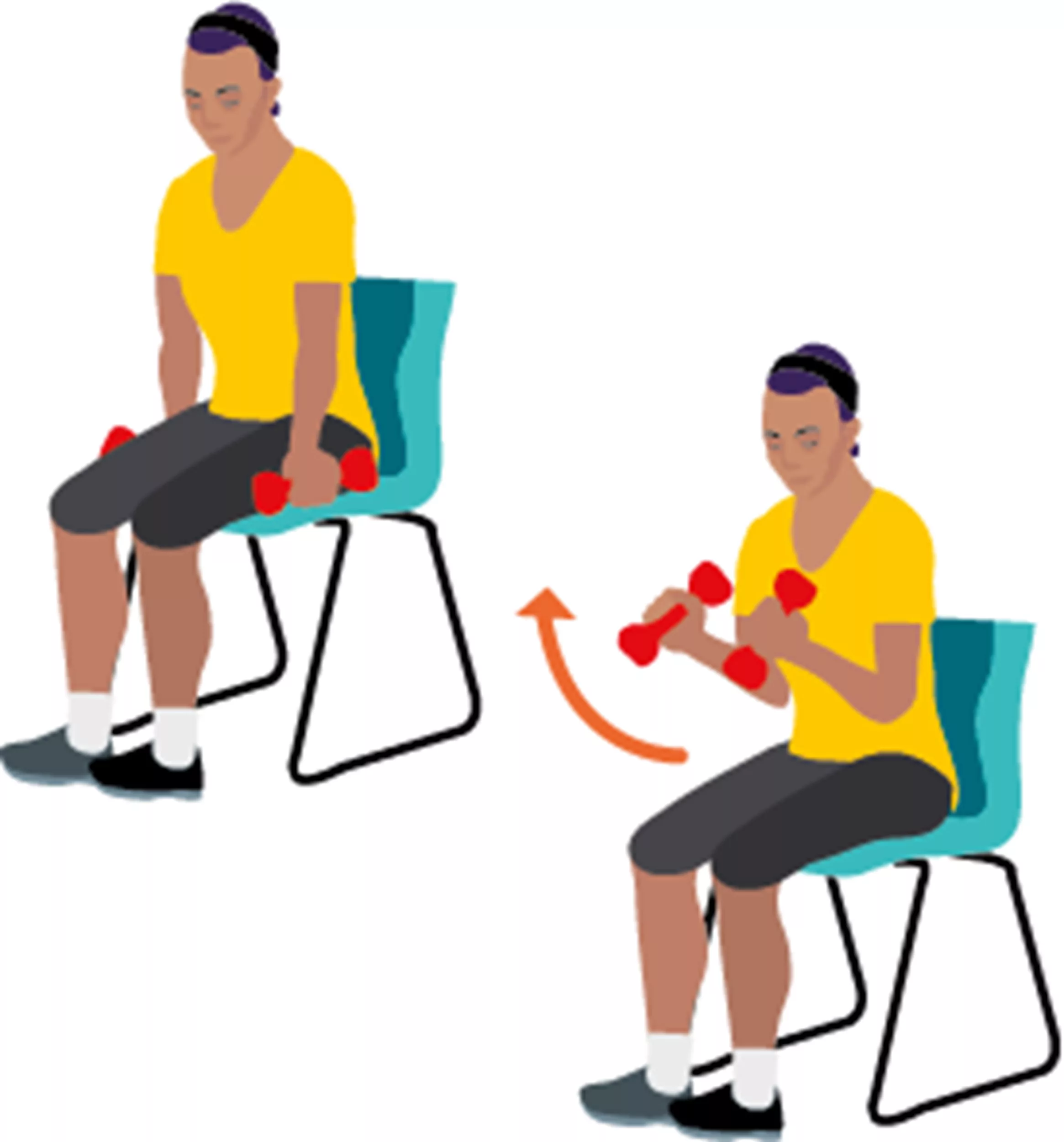
1. Seated Dumbbell Bicep Curl
Strengthens the front of the arms. Sit tall, curl the dumbbells upward slowly, then lower with control.
2. Standing Dumbbell Bicep Curl
Same movement as seated but adds light balance and posture engagement.
3. Dumbbell Hammer Curl
Palms face each other during the curl. Easier on wrists and great for forearm strength.
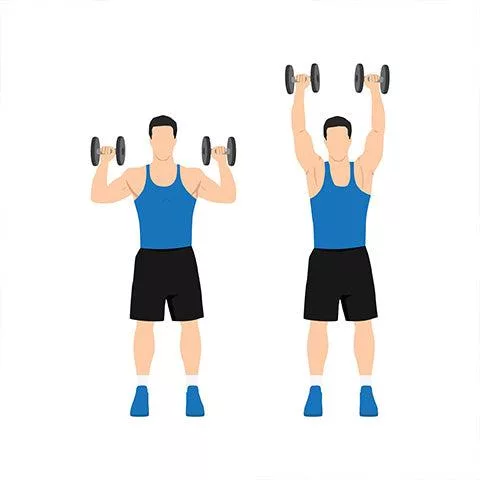
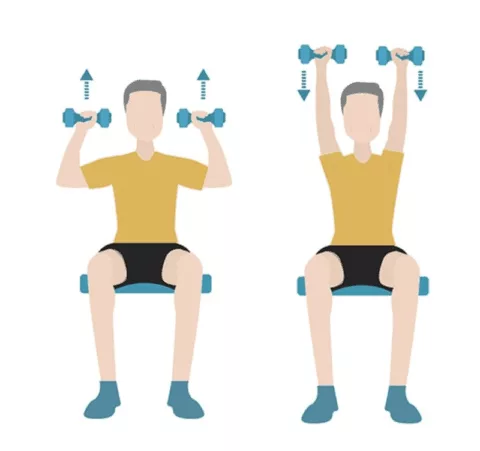
4. Seated Dumbbell Shoulder Press
Press dumbbells upward from shoulder height. Builds shoulder strength needed for reaching and lifting.
5. Dumbbell Front Raise
Lift dumbbells straight forward to shoulder height. Improves ability to lift objects in front of you.
6. Dumbbell Lateral Raise
Lift dumbbells out to the sides. Strengthens shoulder stabilizers and improves arm control.
7. Bent-Over Dumbbell Row
Pull dumbbells toward your ribs while bent slightly forward. Strengthens upper back and improves posture.
8. Dumbbell Chest Press (Floor or Bench)
Press dumbbells upward while lying on the floor or bench. Builds chest and arm strength safely.
9. Dumbbell Reverse Fly
Arms open outward while bent forward. Excellent for posture and counteracting rounded shoulders.
10. Dumbbell Deadlift
Hold dumbbells at your sides and hinge at the hips. Strengthens legs, hips, and lower back safely.
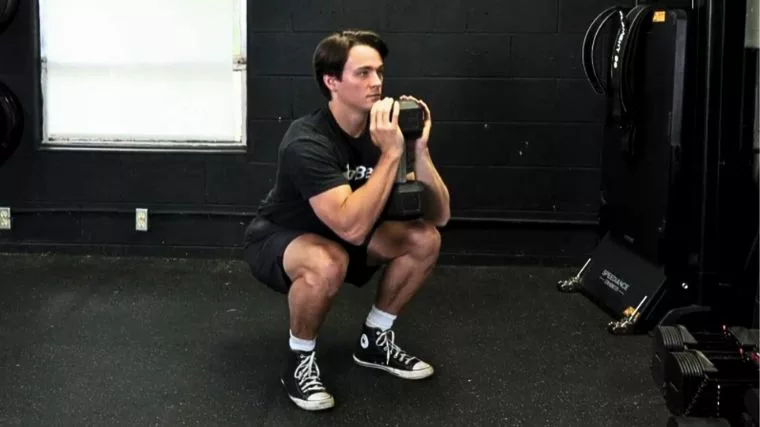
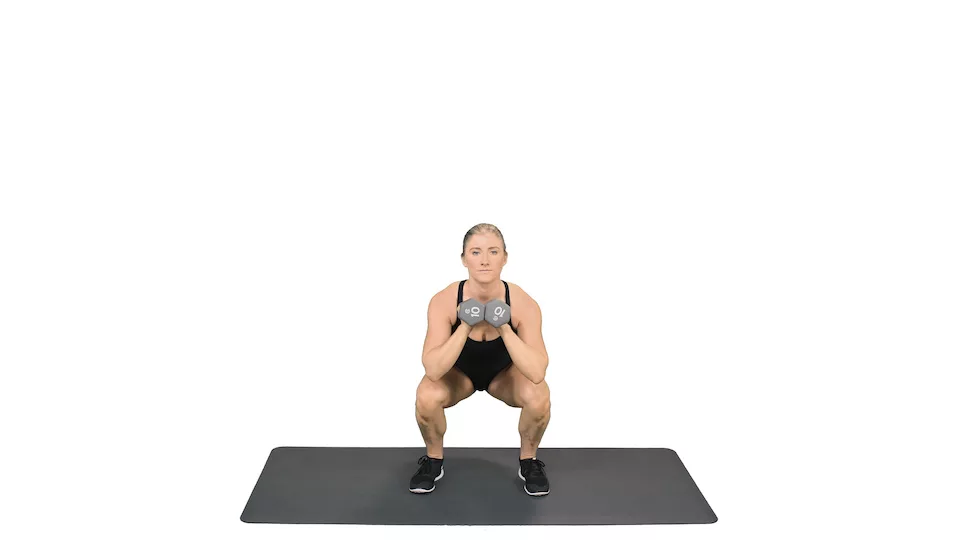
11. Goblet Squat
Hold one dumbbell close to the chest and squat down. Builds leg strength for standing and sitting.
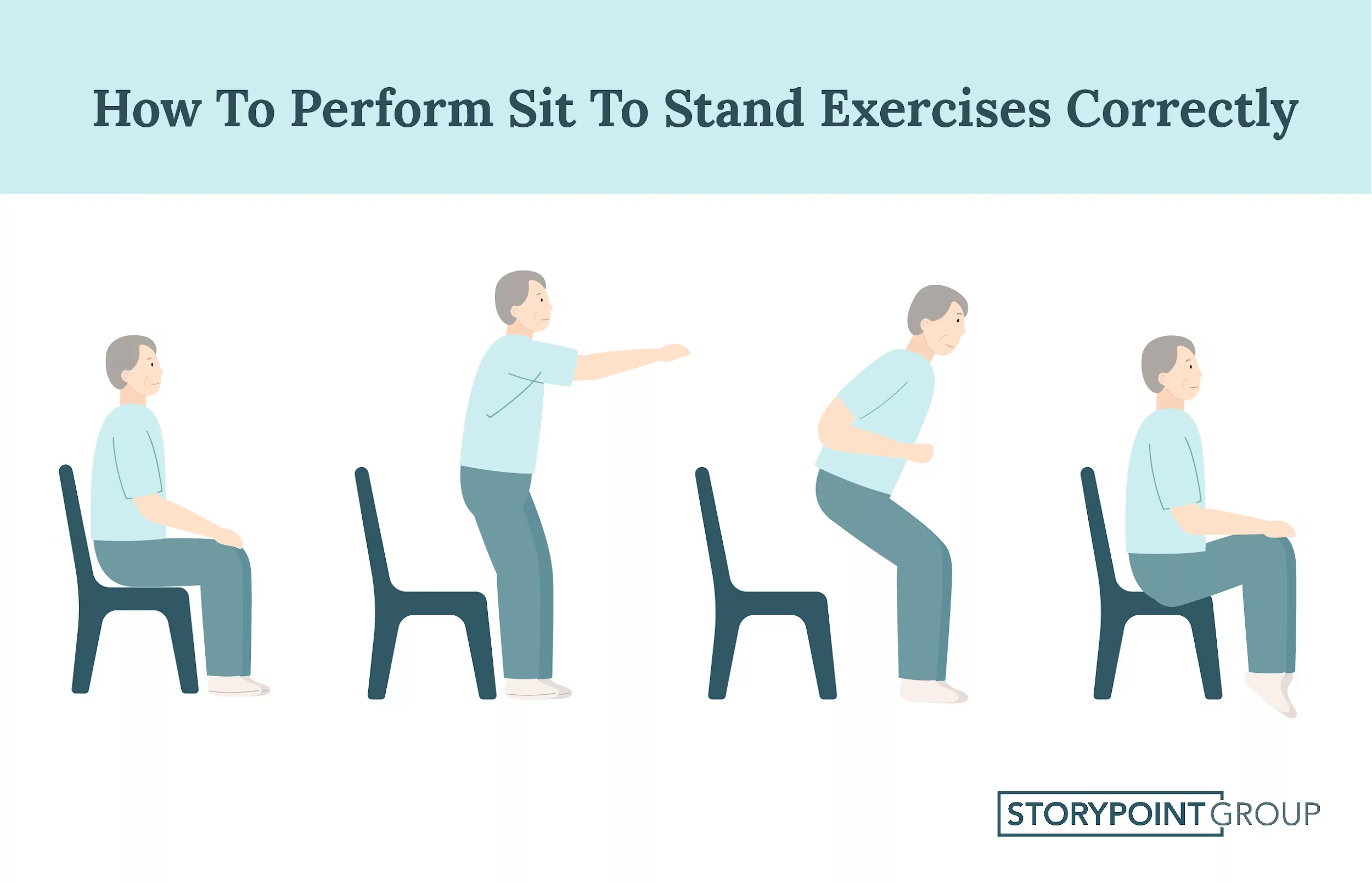
12. Sit-to-Stand with Dumbbells
Stand up from a chair holding light dumbbells. Directly improves daily mobility and independence.
13. Dumbbell Step-Back Lunge
Step one foot back gently while holding dumbbells. Improves balance and leg strength with less knee stress.
14. Dumbbell Calf Raises
Hold dumbbells while lifting heels off the ground. Strengthens calves and improves walking stability.
15. Dumbbell Farmer Carry
Hold dumbbells and walk slowly. Builds grip strength, posture, and balance.
16. Dumbbell Shrugs
Lift shoulders upward and release slowly. Helps neck and upper-back tension and posture.
17. Dumbbell Upright Row (Light Weight)
Pull dumbbells up to chest height. Strengthens shoulders and upper back (use light weight only).
18. Dumbbell Triceps Kickback
Extend arms backward from a bent position. Strengthens arms for pushing up from chairs or beds.
19. Overhead Dumbbell Triceps Extension
Hold one dumbbell with both hands and extend arms upward. Builds upper-arm strength for daily tasks.
20. Dumbbell Side Bend
Hold one dumbbell and bend gently to the side. Strengthens core muscles that support balance.
Senior Safety Tips
- Start light (1–5 lb dumbbells is fine)
- Move slow and controlled
- Breathe steadily—never hold your breath
- Stop if there’s sharp pain or dizziness
- A chair nearby adds confidence and safety
If you’d like, I can:
- Build a 10-minute or 20-minute senior dumbbell routine
- Adapt this list for diabetes, stroke recovery, or balance issues
- Turn this into a Phoenix72-style printable workout sheet
Below is a carefully adapted version of the same 20 dumbbell exercises, redesigned for diabetes management, stroke recovery, and balance concerns.
The emphasis is on circulation, blood sugar control, symmetry, grip re-training, posture, and fall prevention—not intensity.
How This Version Is Different (Important)
- Most exercises are seated or chair-assisted
- One-sided work is encouraged for stroke recovery
- Slow tempo improves nerve reconnection and balance
- Light weights (1–3 lb) are ideal at first
- More repetitions, fewer sets (8–12 reps)
20 Dumbbell Exercises – Adapted for Diabetes, Stroke Recovery & Balance
1. Seated Dumbbell Bicep Curl
Improves circulation and arm strength.
👉 Stroke recovery: Work the weaker arm first, then match with the stronger side.
2. Seated Hammer Curl
Neutral grip is easier on joints and improves forearm control and grip strength.
3. Chair-Supported Standing Bicep Curl
Stand behind a chair, one hand resting lightly. Builds balance while strengthening arms.
4. Seated Dumbbell Shoulder Press
Strengthens shoulders for reaching overhead.
👉 Stop at eye level if full extension feels unstable.
5. Seated Front Raise
Lift dumbbells forward slowly. Helps retrain coordinated arm movement.
6. Seated Lateral Raise
Excellent for shoulder stability without stressing balance.
7. Chair-Supported Bent-Over Row
One hand on chair, one arm rowing.
👉 Especially helpful for rebuilding symmetry after stroke.
8. Dumbbell Chest Press (Floor or Bed)
Safe pressing motion with limited range. Improves pushing strength without standing risk.
9. Seated Reverse Fly
Improves posture and upper-back engagement—key for balance and walking confidence.
10. Dumbbell Deadlift (Chair Height)
Start from dumbbells resting on a chair or thighs. Strengthens hips and legs safely.
11. Goblet Squat to Chair
Squat only until you touch the chair, then stand.
👉 Excellent for blood sugar control and daily function.
12. Sit-to-Stand with Dumbbells
One of the most important exercises for seniors. Improves independence and leg strength.
13. Supported Step-Back Lunge
Hold chair or wall. Step back gently—less knee strain, better balance training.
14. Dumbbell Calf Raises (Chair-Supported)
Improves ankle strength and walking stability—critical for fall prevention.
15. Farmer Carry (Short & Slow)
Walk 10–30 seconds holding dumbbells.
👉 Improves posture, grip, and balance simultaneously.
16. Seated Dumbbell Shrugs
Helps neck and upper-back tension while improving posture alignment.
17. Light Upright Row (Half Range)
Only lift dumbbells to mid-chest. Encourages shoulder control without strain.
18. Seated Triceps Kickback
Strengthens arms for pushing up from chairs or beds.
19. Seated Overhead Triceps Extension
Use very light weight. Stop if shoulder feels unstable.
20. Seated Side Bend
Gentle core activation supports balance and trunk control after stroke.
Programming Guidelines (Very Important)
Frequency
- 3–5 days per week
- Even 10–15 minutes helps blood sugar and balance
Reps & Sets
- 1–2 sets of 8–12 slow reps
- Rest as needed—no rushing
Blood Sugar Tip (Diabetes)
- Light dumbbell work after meals helps lower glucose
- Keep water nearby
Stroke Recovery Tip
- Move slowly and deliberately
- Visualize the movement
- Mirror the weaker side with intention
Red Flags – Stop If You Notice:
- Dizziness or sudden weakness
- Sharp pain (not muscle fatigue)
- Numbness or tingling worsening
- Loss of balance confidence