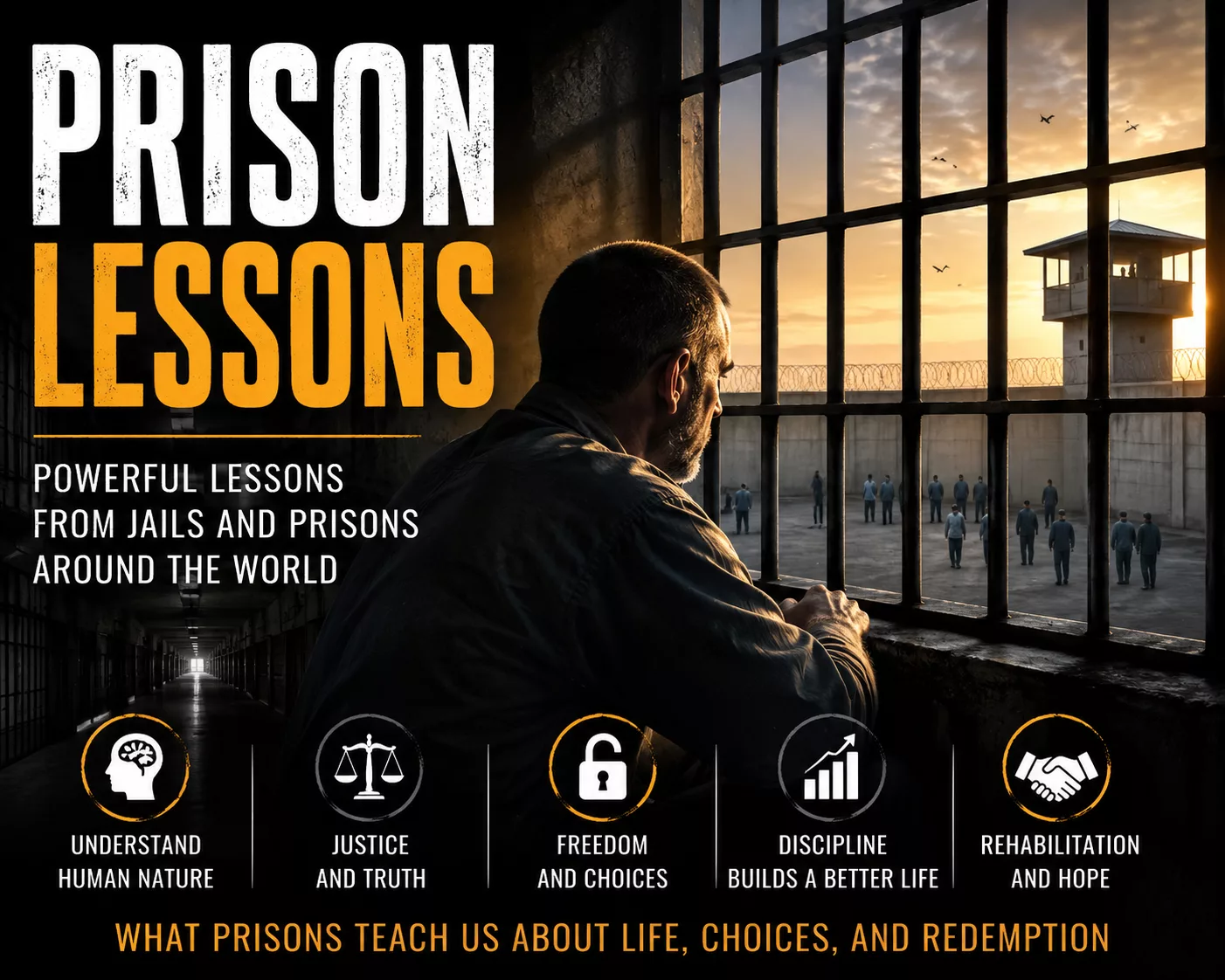
Prison Lessons
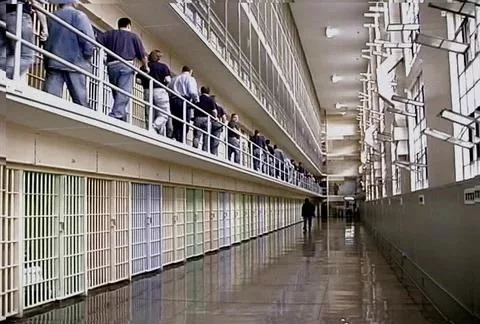
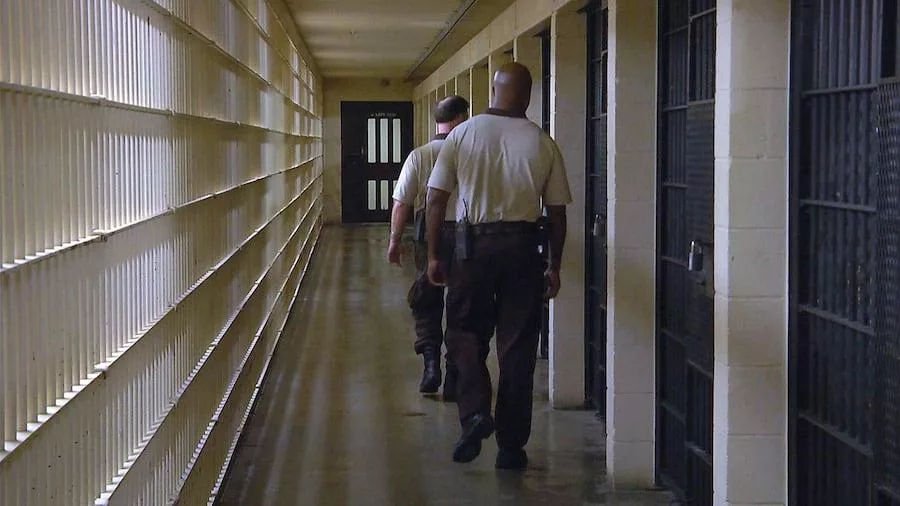
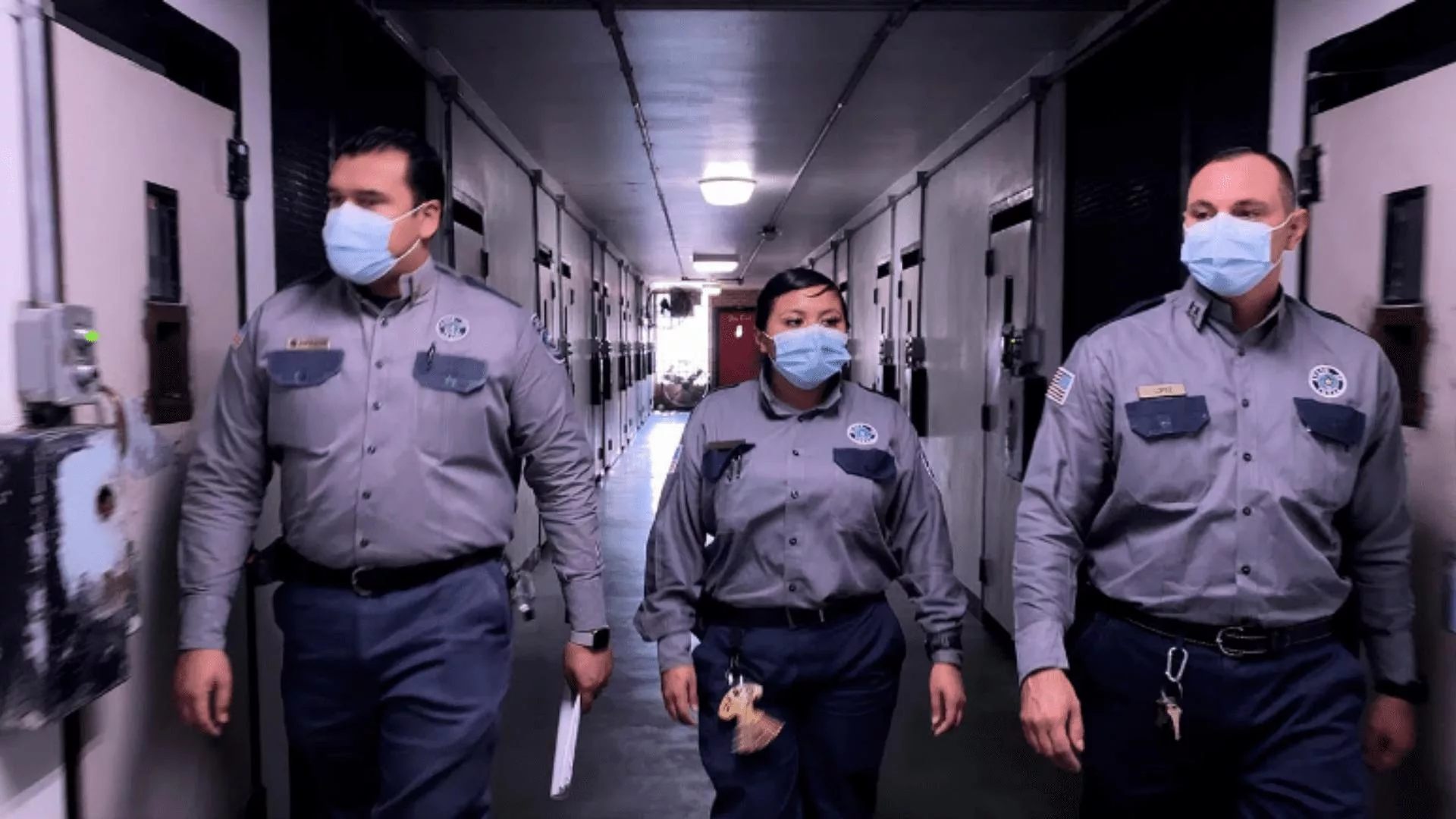
Television documentaries and reality series about prisons—whether they feature facilities in the United States, Latin America, Europe, Africa, or Asia—vary widely in accuracy and often emphasize the most dramatic stories.
However, taken together, they do reveal some recurring lessons about human nature, institutions, and personal responsibility.
For seniors living alone, we often create our own virtual prisons.
1. Freedom Is More Precious Than Most People Realize
Perhaps the greatest lesson is that freedom is easy to take for granted until it is lost. Everyday choices—when to eat, where to walk, whom to visit, when to sleep—become controlled by others. Many former inmates say they never truly appreciated ordinary life until it disappeared.
Freedom for seniors includes mobility. If you can’t move, you must depend on others for basic needs.
2. Small Decisions Can Lead to Life-Changing Consequences
Many inmates describe a series of poor decisions rather than one catastrophic event. Driving under the influence, drug use, anger, theft, fraud, or associating with criminal friends often began with seemingly minor compromises.
The lesson is that character is built—or destroyed—one decision at a time.
3. Violence Creates More Violence
Prisons often contain people who solved problems through intimidation or aggression. Those habits rarely produce peace. Many documentaries show that violence inside prison usually leads to retaliation, longer sentences, and more suffering.
Self-control is usually more powerful than physical strength.
4. Your Reputation Matters
In prison, reputation affects nearly every interaction. Outside prison the same principle applies, although with less immediate consequences.
People judge us by:
- Honesty
- Reliability
- Self-discipline
- Respect for others
- Keeping our word
A good reputation takes years to build and minutes to lose.
5. Discipline Becomes Survival
Successful inmates often develop strict routines:
- Exercise
- Reading
- Education
- Keeping their area clean
- Avoiding unnecessary conflicts
Ironically, discipline often becomes the path to maintaining dignity in an environment with very little freedom.
This is a lesson that applies equally well outside prison.
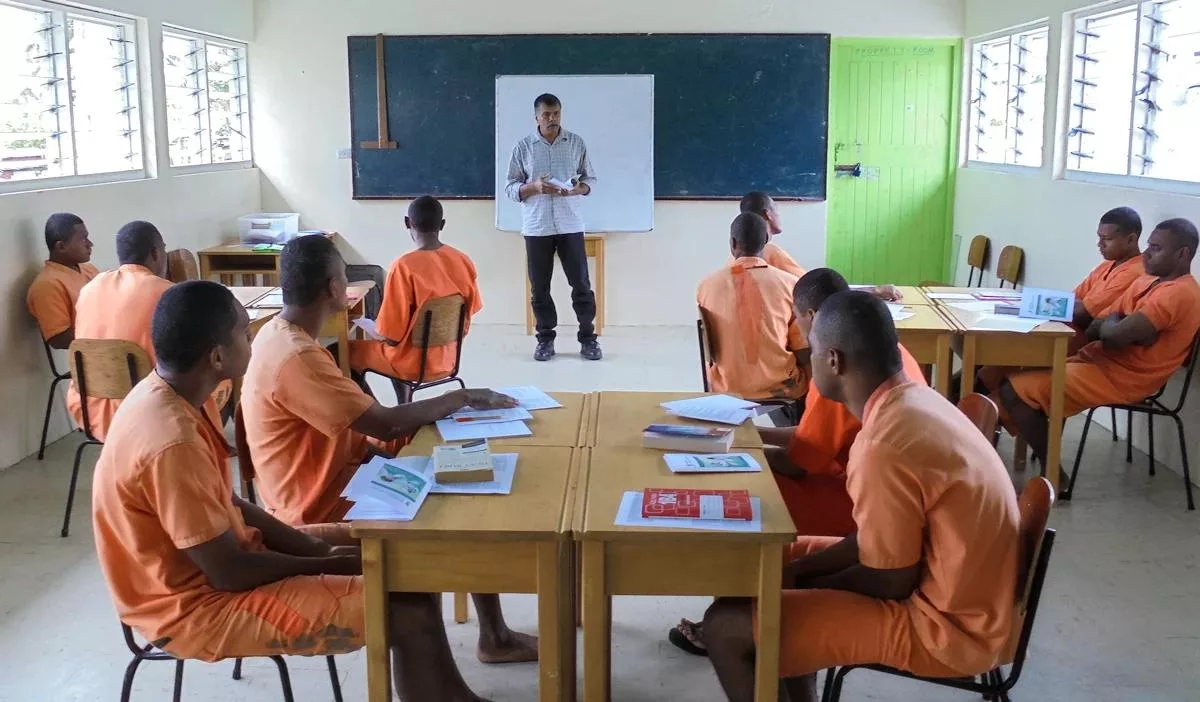
6. Education Changes Lives
Many prison documentaries feature inmates earning GEDs, college degrees, vocational certificates, or learning trades. Education often becomes the first real opportunity many have had to change their future.
Knowledge increases options.
7. Bad Company Is Dangerous
Across countries and cultures, criminal associations appear repeatedly.
Many inmates describe:
- Joining gangs
- Drug culture
- Criminal friends
- Peer pressure
- Family criminal traditions
One of the oldest truths remains valid:
“Show me your friends, and I’ll show you your future.”
8. Every Society Struggles With the Same Questions
Although prisons differ dramatically from country to country, nearly every nation wrestles with:
- Punishment versus rehabilitation
- Public safety
- Mental illness
- Drug addiction
- Poverty
- Recidivism
- Human rights
There is no perfect correctional system.
9. Hope Can Exist Anywhere
Many programs show inmates finding purpose through:
- Faith
- Education
- Family
- Art
- Music
- Writing
- Mentoring
- Skilled trades
People cannot always change their past, but many can change the direction of their future.
10. Most People Are Neither Completely Good nor Completely Evil
Television often reminds viewers that many inmates have committed serious crimes while also being parents, veterans, workers, or people with complicated histories.
Recognizing this complexity does not excuse harmful actions, but it does help explain why rehabilitation is difficult and why reducing crime requires addressing multiple factors.
11. The Family Also Pays the Price
One person’s imprisonment often affects:
- Children
- Parents
- Spouses
- Grandparents
- Employers
- Victims
- Communities
The consequences of crime extend far beyond the individual who committed it.
12. Prevention Is Better Than Punishment
Nearly every prison story prompts the same question:
“What could have prevented this?”
Common answers include:
- Better parenting
- Positive mentors
- Education
- Treatment for addiction or mental illness
- Stable employment
- Emotional self-control
- Earlier intervention
Helping people avoid crime is generally more effective and less costly than responding after it occurs.
Lessons for the Senior Warrior Philosopher
- Live by a personal code before temptation arrives.
- Discipline creates freedom.
- Choose your companions carefully.
- Protect your reputation as a lifelong asset.
- Never stop learning.
- Accept responsibility for your choices.
- Treat every day of freedom as a gift.
- Build a life that leaves no room for destructive habits.
The broader message from prison documentaries is not simply “don’t commit crimes.” It is that daily habits, character, and personal responsibility shape our lives long before we face major consequences.
Whether someone lives inside prison walls or in complete freedom, integrity, self-discipline, and purposeful living remain the strongest foundations for a meaningful life.