Preventing Stroke
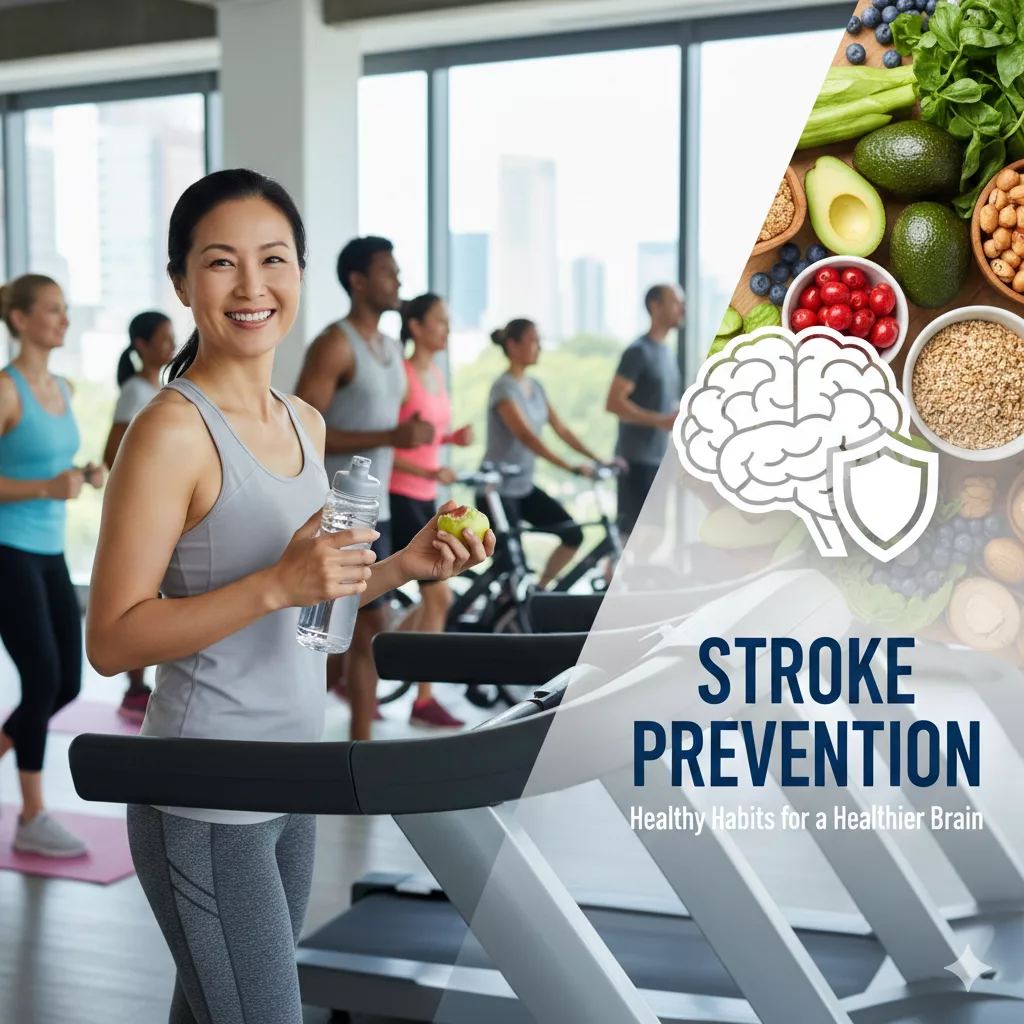
Preventing Stroke
Stormin’
- https://www.youtube.com/watch?v=KqHMmSbkArM
- https://www.webmd.com/vitamins-and-supplements/ss/slideshow-signs-lack-vitamin-b12?ecd=wnl_spr_011926&ctr=wnl-spr-011926_lead_cta&mb=1sXNsILalMlABmqaYO70lvA8mxptVuBZmVM1SNCzeoQ%3d
=====
Overview of the book and its “market performance”
As a Man Thinketh (first published in 1903) is a short, highly compressed “mindset as destiny” essay that helped shape what later became modern self-help and New Thought–adjacent personal development. (Wikipedia)
It’s also widely available in many editions (often bundled, “updated,” or reformatted), which affects reader satisfaction because people aren’t always buying the same text or the same reading experience. (Barnes & Noble)
1) Strengths: what sets it apart in its category
- Extreme brevity + density (high “wisdom per page”): Many readers like that it can be read in one sitting and revisited repeatedly as a mental reset.
- A clear, memorable thesis: thoughts → character → habits → outcomes; it’s easy to summarize, quote, and teach. (Project Gutenberg)
- Moral seriousness and “inner craftsmanship”: It frames self-improvement as character-building rather than hacks—appealing to readers who want discipline, not hype.
- Timeless, almost poetic voice: The language reads like a compact sermon/meditation, which creates a “classic” feeling and a sense of gravitas.
- Public-domain accessibility + wide distribution: Its public-domain status and ubiquitous availability make it a perennial entry point for self-help readers. (Project Gutenberg)
- Low-friction gifting: Short length and reputation make it a common “starter classic,” which sustains long-term sales across many editions.
2) Weaknesses: where it can be improved (based on recurring reader reactions)
- Too abstract; not enough “what to do Monday morning”: Readers who want step-by-step change often feel it’s inspiring but thin on implementation.
- Dated language and references: Some find the prose archaic or repetitive, which can make it feel “preachy” or harder to connect to today. (Barnes & Noble)
- Over-strong internal locus of control: The message can read like everything is caused by your thoughts—some readers experience that as victim-blaming or naïve about real constraints.
- Edition quality problems: Because there are many versions, complaints often target formatting, typos, “modernized” edits, or bundled extras that weren’t expected. (This is a market-wide issue visible across major retail listings.) (Amazon)
- Mismatch of expectations created by modern subtitles/positioning: Contemporary packaging (“success,” “formula,” “life-changing”) can set an expectation of tactical career/wealth advice that the original essay doesn’t deliver.
3) Why readers bought it (purchase drivers)
- They want a foundational classic: Many buy it because it’s frequently cited as a cornerstone of mindset/self-mastery literature. (Macmillan Publishers)
- They want motivation without fluff: The short length signals “no wasted words.”
- They’re seeking self-discipline and inner calm: It promises control, composure, and character—especially attractive during personal resets.
- They’ve seen it recommended repeatedly (lists, mentors, “must-read” self-help stacks), so it becomes a credibility purchase: “I should know this one.”
4) Why they may not buy (or may DNF / leave a lukewarm review)
- “It’s too short for the price.” If the buyer expected a full modern book, they may feel they paid for a pamphlet.
- “It’s obvious / cliché.” If someone has consumed lots of modern mindset content, the core ideas may feel familiar.
- “It feels moralizing or simplistic.” Readers who want nuance (trauma, mental health, inequality, systems) may react negatively to the book’s blunt causality.
- “This edition is bad.” Poor formatting, strange “updated” wording, missing context, or low-quality print can create dissatisfaction that’s not about Allen’s ideas. (Barnes & Noble)
If you’re self-publishing a competing book: 7–10 critical elements to win attention (and mistakes to avoid)
- Deliver the “classic thesis” + modern execution
- Keep the clean throughline (thoughts → identity → behavior → outcomes), but translate it into modern language and real-life constraints.
- Make it actionable (the biggest gap)
- Include a practical system: daily prompts, a 14–30 day plan, checklists, “if/then” scripts, and a simple tracking method.
- Add nuance without weakening the message
- Acknowledge limits (health, money, trauma, caregiving, age) while still teaching personal agency: “control what you can, design around what you can’t.”
- Use evidence lightly but credibly
- Readers today respond well to a few accessible behavioral-science anchors (habits, attention, identity, stress physiology) without turning the book into a textbook.
- Include modern examples and case studies
- Short, relatable stories (career setback, addiction recovery, loneliness, retirement reset, caregiving burnout) convert “inspiration” into belief.
- Position for a specific niche (don’t compete as generic)
- Examples: “Mindset for men over 60,” “mindset after illness,” “stoic mindset for anxiety,” “mindset for minimalists,” “mindset for late-life reinvention.”
- Solve the edition problem with a premium reading experience
- High-quality formatting, clean typography, a strong cover, and a well-structured interior. Many “classic” competitors lose readers on presentation alone.
- Be transparent about what you are (and are not)
- Don’t oversell “wealth formula” if you’re delivering character + discipline. Mismatched expectations drive bad reviews.
- Avoid the two classic traps
- Trap A: turning it into shallow “positive thinking” hype
- Trap B: copying public-domain text with minimal added value (readers resent this)
- Include a fresh “signature framework”
- A named model (e.g., “The 3 Levers: Attention, Story, Action”) gives reviewers something concrete to quote—and makes your book distinct in a crowded category.
=====
Plavix® (clopidogrel) is a prescription antiplatelet medication—often called a “blood thinner,” though it doesn’t actually thin blood. Its main job is to prevent platelets from sticking together and forming dangerous clots.
Below is a clear, plain-English breakdown of what it’s used for, why doctors prescribe it, and what to watch for, especially relevant for older adults.
What Plavix Is Used For
1. Preventing Stroke
- Prescribed after:
- Ischemic stroke
- TIA (“mini-stroke”)
- Helps stop new clots from forming in brain arteries
2. Preventing Heart Attack
- Used in people with:
- Prior heart attack
- Known coronary artery disease
- Often chosen when aspirin alone isn’t enough or isn’t tolerated
3. After Stents or Cardiac Procedures
- Common after:
- Coronary stent placement
- Certain angioplasty procedures
- Keeps the stent from clotting shut
- Frequently combined with aspirin (“dual antiplatelet therapy”) for a defined period
4. Peripheral Artery Disease (PAD)
- Helps reduce clot risk in narrowed arteries of the legs
- May improve circulation and reduce vascular events
5. Aspirin Alternative
- Used when someone:
- Is allergic to aspirin
- Has stomach bleeding risk from aspirin
- Provides similar clot-prevention benefits through a different mechanism
How Plavix Works (Simply Explained)
- Platelets normally clump to stop bleeding
- Plavix blocks a platelet receptor (P2Y12) so platelets are less “sticky”
- Result: lower risk of clots, but higher bleeding risk
Benefits
- Reduces risk of:
- Stroke
- Heart attack
- Stent thrombosis
- Especially effective for people with prior vascular events
- Once-daily dosing
Risks & Side Effects (Important)
Common
- Easy bruising
- Nosebleeds
- Longer bleeding time from cuts
Serious (seek medical care)
- Black or bloody stools
- Vomiting blood or coffee-ground material
- Unexplained severe weakness or confusion
- Signs of internal bleeding
Important Cautions
- Never stop Plavix suddenly without a doctor’s guidance
(especially after a stent—stopping early can trigger a heart attack) - Tell all doctors and dentists you’re taking it
- Surgery or dental work often requires advance planning
Drug & Food Interactions
- Some stomach acid drugs (e.g., omeprazole) may reduce effectiveness
- Increased bleeding risk with:
- NSAIDs (ibuprofen, naproxen)
- Other blood thinners
- Alcohol can increase bleeding risk
Why Seniors Are Often Prescribed Plavix
- Higher baseline risk of stroke and heart attack
- Often used when balancing:
- Clot prevention vs
- Fall risk and bleeding risk
- Dose is usually the same regardless of age, but monitoring matters more
Bottom Line
Plavix is a preventive medication—you take it not because you feel bad, but to stop something dangerous from happening again. For people with prior stroke, heart disease, or stents, it can be life-saving, but it requires awareness and respect for bleeding risks.
=====