Warrior Philosopher
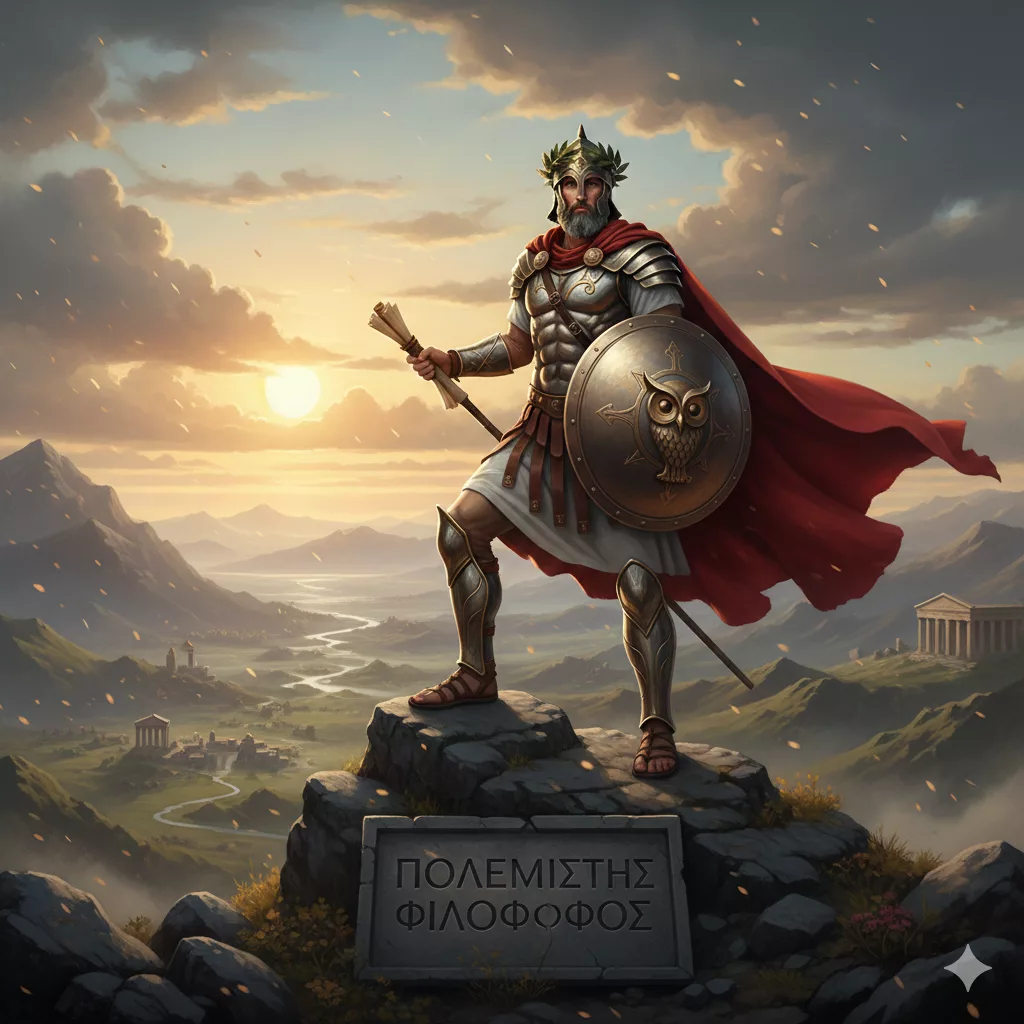
Warrior Philosopher
Stormin’
- https://www.youtube.com/watch?v=SKW7F7KCyyo
- I am fasting until I get my blood sugar down. The doctors have taken away Metformin.
=====
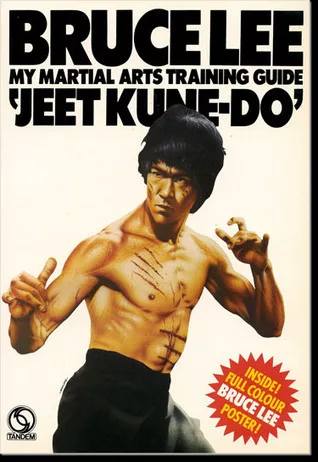
Short answer: Not literally—but in spirit, yes.
Bruce Lee can reasonably be seen as a modern, secular version of a warrior monk.
Here’s why that comparison holds up—and where it breaks down.
What a “warrior monk” really means
Historically (think Shaolin monks), a warrior monk combined:
- Martial discipline (combat skill)
- Mental training (focus, self-mastery)
- Spiritual or philosophical grounding
- Austere living (simplicity, restraint, practice)
The core idea isn’t robes or monasteries—it’s integration.
How Bruce Lee fits the warrior-monk archetype
1. Martial mastery as self-cultivation
Bruce Lee didn’t train just to fight. He trained to refine himself.
- Precision, efficiency, economy of motion
- Constant self-testing and self-correction
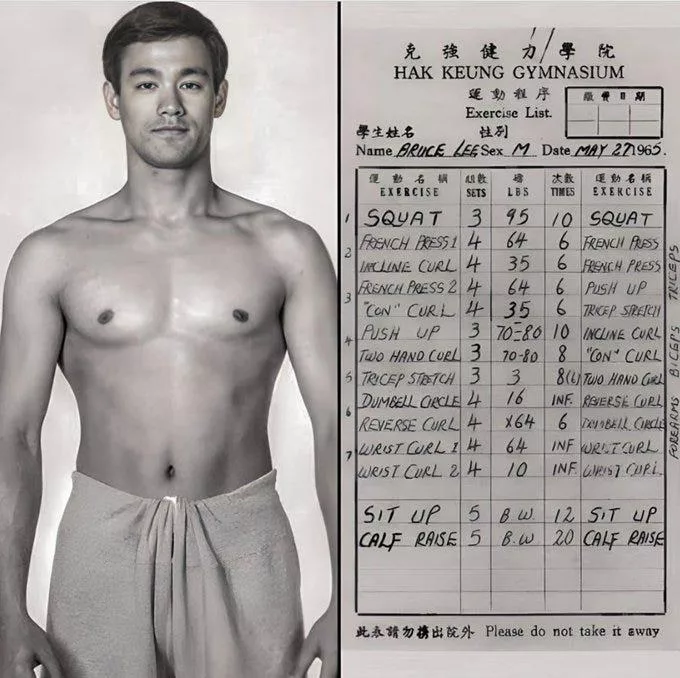
- Training journals that read like philosophical notebooks
That’s classic warrior-monk logic: the body as a path to mastery of the mind.
2. Philosophy over dogma
Lee rejected rigid styles and traditions.
- “Absorb what is useful, discard what is useless.”
- This mirrors Zen and Daoist thinking—direct experience over doctrine
- His system, Jeet Kune Do, is less a style than a way of thinking
Warrior monks historically trained within traditions. Lee trained beyond them—but with the same intent.
3. Discipline, restraint, and simplicity
Despite fame:
- Extremely structured daily routines
- Spartan training ethic
- Obsession with fundamentals
- Minimalism before it was fashionable
That ascetic streak is unmistakable.
4. Combat without cruelty
Lee emphasized:
- Control
- Awareness
- Avoidance when possible
- Skill as responsibility
This aligns with the monk ideal: power governed by conscience.
Where Bruce Lee differs from true warrior monks
To be precise:
- He wasn’t part of a religious order
- He didn’t live in seclusion
- He embraced modern life, celebrity, film, and commerce
- His philosophy was individualist, not monastic
So he wasn’t a monk in structure—he was a monk in method.
The best way to frame it
Bruce Lee is best understood as:
A modern warrior-philosopher who forged a monk-like discipline inside a modern world.
For people today—especially those rebooting later in life—that’s actually more relevant than a literal monk.
No monastery required.
No robes.
Just practice, discipline, clarity, and continual self-refinement.
=====
- Strong link between type 2 diabetes and heart disease
People with type 2 diabetes have a much higher risk of cardiovascular problems such as heart attack and stroke than people without diabetes. Cardiovascular disease is a leading cause of death in this group. (WebMD) - How diabetes increases cardiovascular risk
Over time, high blood sugar damages blood vessels and promotes atherosclerosis (plaque buildup), increasing the likelihood of blood clots, heart attacks, and strokes. (WebMD) - Expert perspective on managing linked conditions
Specialists emphasize that treating type 2 diabetes and heart disease together—as interconnected conditions—is crucial, not just controlling blood sugar alone. (WebMD) - Emerging therapies with dual benefits
Newer diabetes medications (like GLP-1 receptor agonists and SGLT2 inhibitors) show promising evidence not only for glucose control but also for reducing major cardiovascular events and complications. (Wikipedia) - Prevention and lifestyle factors remain vital
Diet, exercise, weight management, blood pressure control, and cholesterol reduction are all important for lowering both diabetes-related and cardiovascular risks. (WebMD)
Summary:
The article highlights the interconnected nature of type 2 diabetes and cardiovascular disease, explains why people with diabetes are at much higher risk for heart problems, and underscores hopeful advancements in treatments that target both blood sugar and heart health simultaneously, alongside lifestyle strategies to reduce overall risk. (WebMD)
====
Ischemia is a serious condition where blood flow, and thus oxygen and nutrients, are restricted to a part of the body, commonly the heart (myocardial ischemia), brain, or limbs, often due to blocked or narrowed arteries from plaque (atherosclerosis) or clots, leading to tissue damage or death (infarction) if untreated, with symptoms varying by location but often including chest pain, shortness of breath, or neurological issues, requiring prompt treatment like medications, angioplasty, or surgery to restore blood flow and prevent heart attacks or strokes. [1, 2]
Symptoms (Commonly Heart-Related)
- Chest pain (angina): Pressure, squeezing, or fullness.
- Pain: Radiating to arms, shoulder, neck, jaw, or back.
- Shortness of breath: Especially with exertion.
- Sweating, nausea, vomiting, dizziness.
- Fatigue, irregular heartbeat.
- Silent ischemia: No symptoms but still damaging. [3]
Causes & Risk Factors
- Atherosclerosis: Plaque buildup narrowing arteries (main cause).
- Blood clots (Thrombosis/Embolism).
- Coronary artery spasm (less common).
- Risk Factors: Smoking, diabetes, high blood pressure (hypertension), high cholesterol, obesity, lack of exercise, family history, age. [1, 4, 5, 6]
Types & Locations
- Myocardial Ischemia: Heart muscle.
- Cerebral Ischemia: Brain (can cause stroke).
- Peripheral Ischemia: Limbs (legs).
- Intestinal Ischemia: Bowels. [1]
Diagnosis & Treatment
- Diagnosis: ECG, imaging tests, blood tests.
- Treatment: Medications (blood thinners, cholesterol meds), lifestyle changes, procedures (angioplasty, bypass surgery) to open blocked arteries. [7]
AI responses may include mistakes.
[1] https://www.texasheart.org/heart-health/heart-information-center/topics/silent-ischemia/
[2] https://www.thecardiologyadvisor.com/ddi/ischemia/
[3] https://middlesexhealth.org/learning-center/diseases-and-conditions/myocardial-ischemia
[4] https://www.medstarhealth.org/services/myocardial-ischemia
[5] https://resources.healthgrades.com/right-care/vascular-conditions/ischemia
[6] https://capitalcardiology.com/patient-education/ischemia
[7] https://centromedicoabc.com/en/digital-magazine/what-is-ischemia/
=====