First Day After ICU

First Day After ICU
Stormin’
- https://www.lewrockwell.com/2026/01/capt-randall/first-aiding-down-and-dirty-science-too-simple-for-complicated-minds/
- https://www.tomlevymd.com/
=====
A CYP2C19 genotype test identifies variations in the CYP2C19 gene, which affects how individuals metabolize certain drugs, most notably the antiplatelet clopidogrel (Plavix). This genetic information helps doctors predict if a patient will be an ultra-rapid, normal, intermediate, or poor metabolizer, allowing for personalized dosing or alternative medication choices to avoid reduced drug effectiveness (like with clopidogrel in poor metabolizers) or increased side effects, especially in cardiology. [1, 2, 3, 4, 5]
What it is
- Gene & Enzyme: CYP2C19 is a gene that codes for a cytochrome P450 enzyme in the liver, crucial for breaking down many drugs.
- Genetic Variation: The gene has many variants (alleles like *1, *2, *17), leading to different enzyme activity levels.
- Testing: A simple genetic test determines your specific combination (diplotype, e.g., *1/*2). [5, 6, 7]
Metabolizer Phenotypes
- **Normal Metabolizer (1/1): Standard drug processing.
- **Intermediate Metabolizer (1/2): Slower processing, reduced drug activation.
- **Poor Metabolizer (2/2): Significantly reduced or no activation, high risk for ineffective clopidogrel.
- **Ultrarapid Metabolizer (17/17): Faster processing, potentially needing dose adjustments (less common concern for clopidogrel). [2, 3, 4, 6, 8]
Clinical Significance (Especially for Clopidogrel)
- Prodrug Activation: Clopidogrel must be converted to its active form by CYP2C19 to prevent blood clots.
- Poor Metabolizer Risk: Patients with poor metabolizer genotypes have less active clopidogrel, increasing their risk of heart attack, stroke, and stent thrombosis.
- Personalized Therapy: Genotyping helps guide treatment, potentially switching poor metabolizers to alternative antiplatelets like prasugrel or ticagrelor, as recommended by guidelines. [2, 3, 4, 9, 10, 11]
Other Drugs Affected
- CYP2C19 also impacts antidepressants (citalopram, sertraline) and some proton pump inhibitors (omeprazole, pantoprazole). [4, 5, 12]
[1] https://www.mayocliniclabs.com/test-catalog/overview/610043
[2] https://www.clevelandheartlab.com/tests/cyp2c19/
[4] https://www.labcorp.com/tests/512212/cytochrome-p450-2c19-genotyping
[5] https://www.genomicseducation.hee.nhs.uk/genotes/knowledge-hub/cyp2c19/
[6] https://pmc.ncbi.nlm.nih.gov/articles/PMC3234301/
[7] https://www.ncbi.nlm.nih.gov/books/NBK84114/
[9] https://pmc.ncbi.nlm.nih.gov/articles/PMC9287492/
[10] https://pmc.ncbi.nlm.nih.gov/articles/PMC3048820/
[11] https://pmc.ncbi.nlm.nih.gov/articles/PMC7419635/
[12] https://pmc.ncbi.nlm.nih.gov/articles/PMC10899532/
=====
BMP most commonly refers to a Basic Metabolic Panel, a routine blood test checking blood sugar (glucose), electrolytes (sodium, potassium, chloride, CO2), kidney function (BUN, creatinine), and calcium, giving info on fluid balance, metabolism, and kidney health; however, BMP can also mean Bitmap, a simple digital image format. Less commonly, it can refer to Bradenton Motorsports Park, a drag racing facility. [1]
As a Medical Test (Basic Metabolic Panel)
- Purpose: Assesses general health, fluid balance, kidney function, blood sugar, and acid-base balance.
- What it measures: Glucose, Calcium, Sodium, Potassium, Chloride, Carbon Dioxide, Blood Urea Nitrogen (BUN), and Creatinine.
- Why it’s done: To screen for conditions like diabetes, check kidney health, monitor medication effects, or evaluate overall physical health. [2]
As a File Format (Bitmap)
- Purpose: A simple, often uncompressed, digital image format.
- How it works: Stores graphics as a grid of pixels, with each pixel holding color information.
[1] https://medlineplus.gov/lab-tests/basic-metabolic-panel-bmp/
=====
Short answer: yes—partially, in some people, under the right conditions.
Long answer below, in plain language.
What is atherosclerosis?
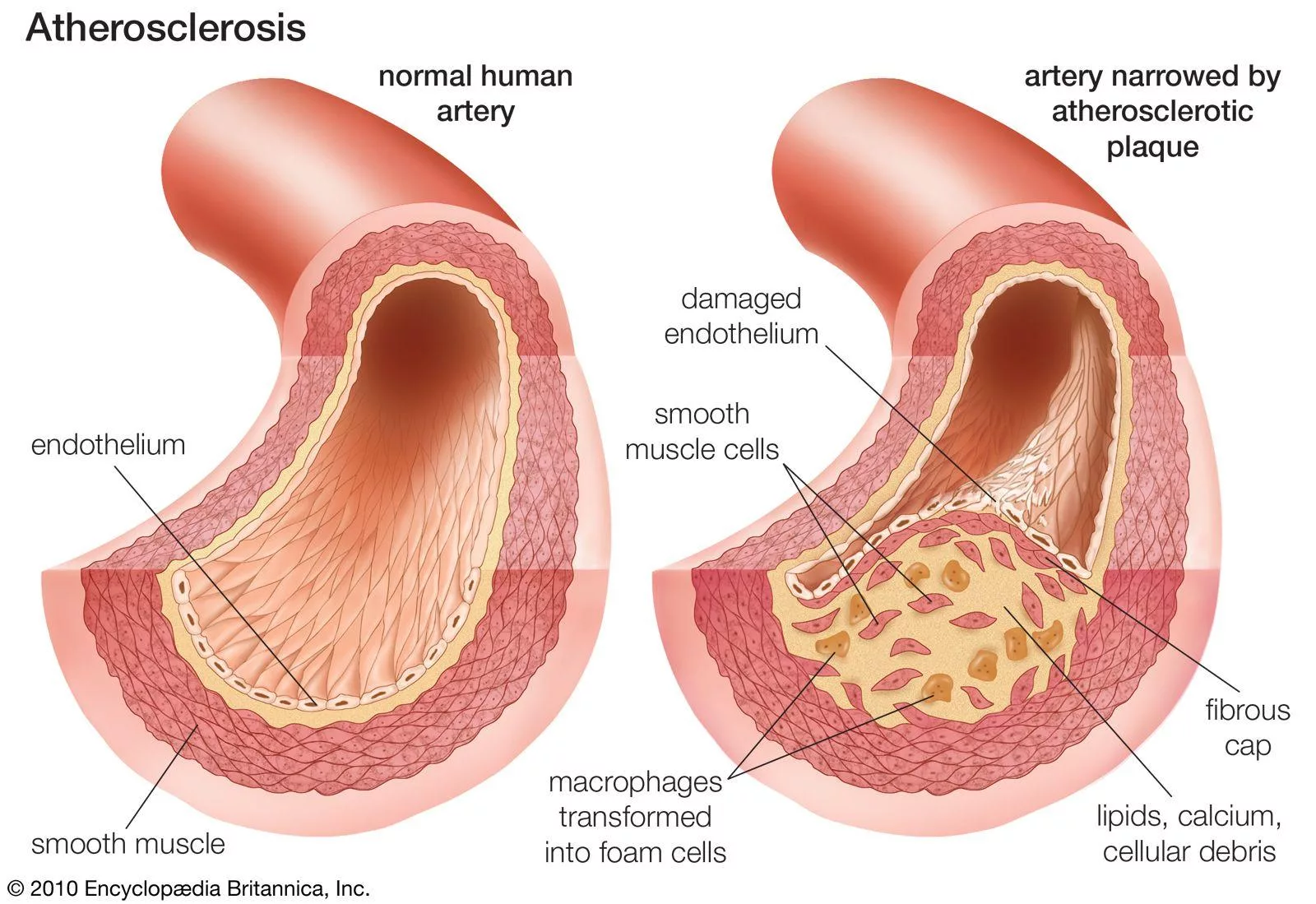
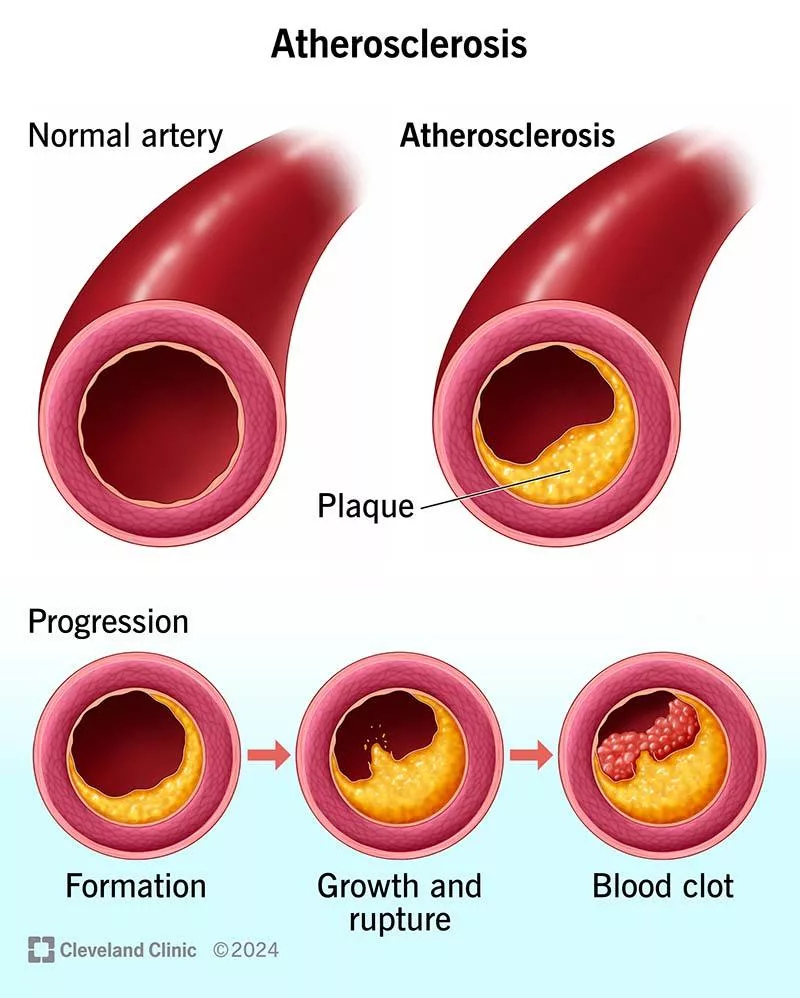
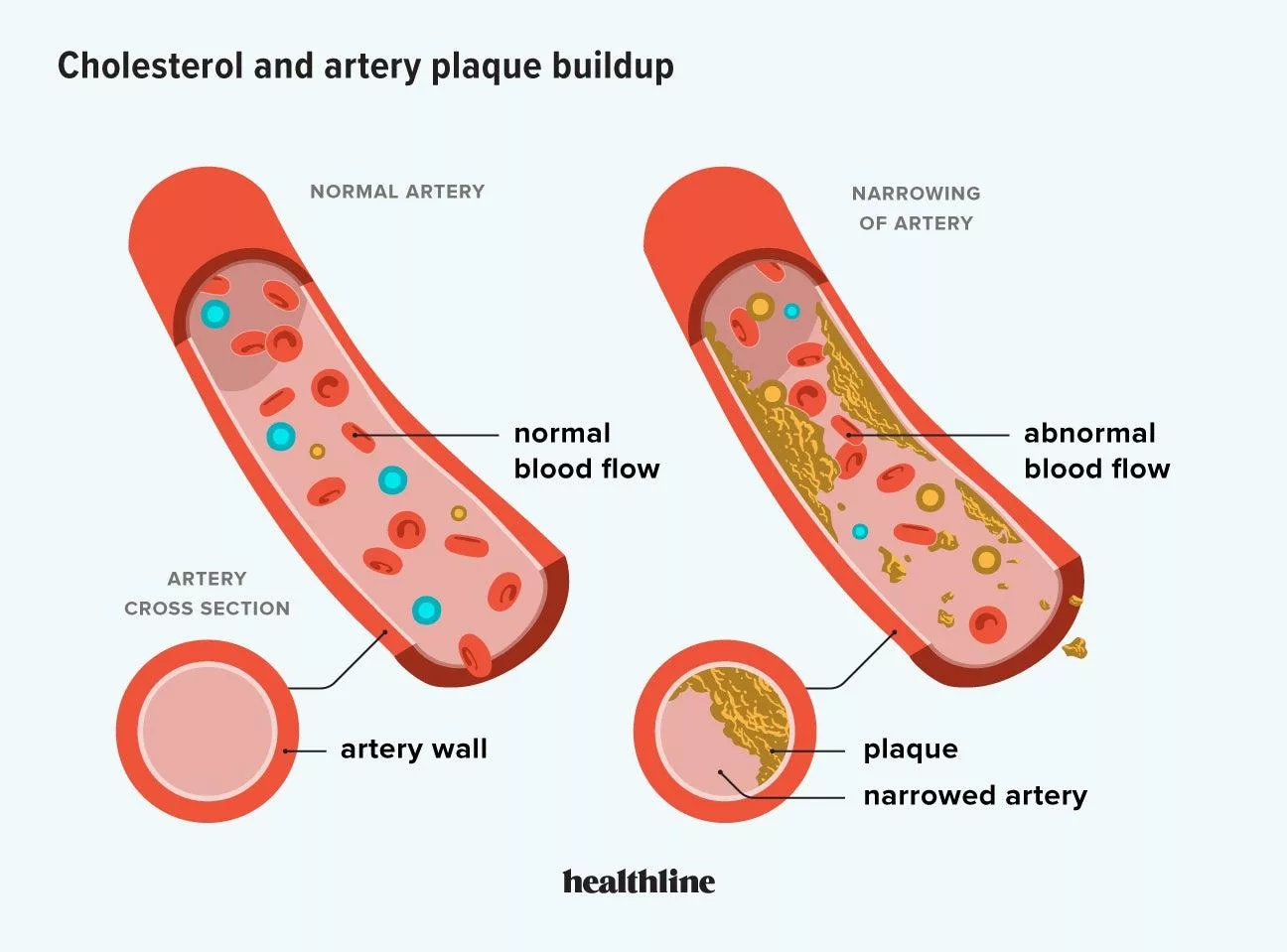
Atherosclerosis is the buildup of fatty plaques (cholesterol, calcium, inflammation) inside arteries. Over time, this narrows and stiffens arteries, raising the risk of heart attack and stroke.
Can it be reversed?
Complete reversal is rare, but regression and stabilization are possible.
That means:
- Plaques can shrink slightly
- Inflammation can fall
- Plaques can become more stable (less likely to rupture)
- Blood flow can improve
Clinically, this translates into lower risk, which matters more than “perfectly clean arteries.”
What the evidence shows
1. Aggressive cholesterol lowering works
Studies using imaging (like IVUS) show that driving LDL cholesterol very low can cause measurable plaque regression.
- Target often used in studies: LDL < 70 mg/dL (sometimes < 55 for high-risk patients)
- This is why statins are cornerstone therapy
2. Lifestyle can contribute to regression
Intensive lifestyle changes have shown modest plaque regression in some patients.
3. Inflammation control is key
Atherosclerosis is now understood as an inflammatory disease, not just cholesterol storage.
Lowering inflammation through:
- Better blood sugar control (critical for diabetics)
- Weight loss
- Physical activity
- Smoking cessation
can stabilize plaques even if they don’t disappear.
What cannot usually be reversed
- Heavily calcified plaques
- Long-standing advanced disease
These can often be stabilized, not erased.
What matters most: stability, not perfection
Most heart attacks happen when a soft, inflamed plaque ruptures, not from slow narrowing.
So success looks like:
- Fewer symptoms
- Better exercise tolerance
- No plaque rupture
- Lower A1C, LDL, BP, inflammation
Practical summary
Atherosclerosis can be:
- ✔ Slowed
- ✔ Stabilized
- ✔ Partially reversed (in some cases)
- ✖ Rarely completely erased
But even partial improvement dramatically reduces risk.
Especially relevant for you
Given your interest in:
- Diabetes control
- Minimalist, disciplined lifestyle changes
- Long-term resilience over quick fixes
You’re actually aligned with the exact approach that improves outcomes: steady, consistent, boring-but-effective habits.
=====
Below are the most common, medically sound reasons doctors discontinue metformin—often preventively, not because something “went wrong.”
1. Kidney function concerns (most common reason)
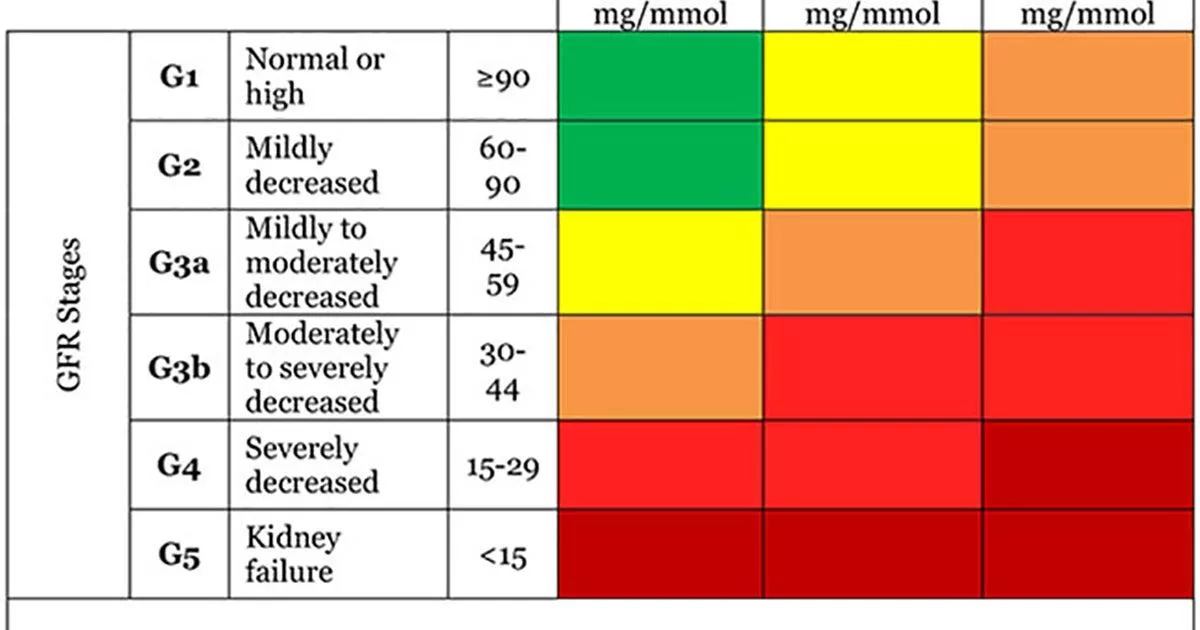
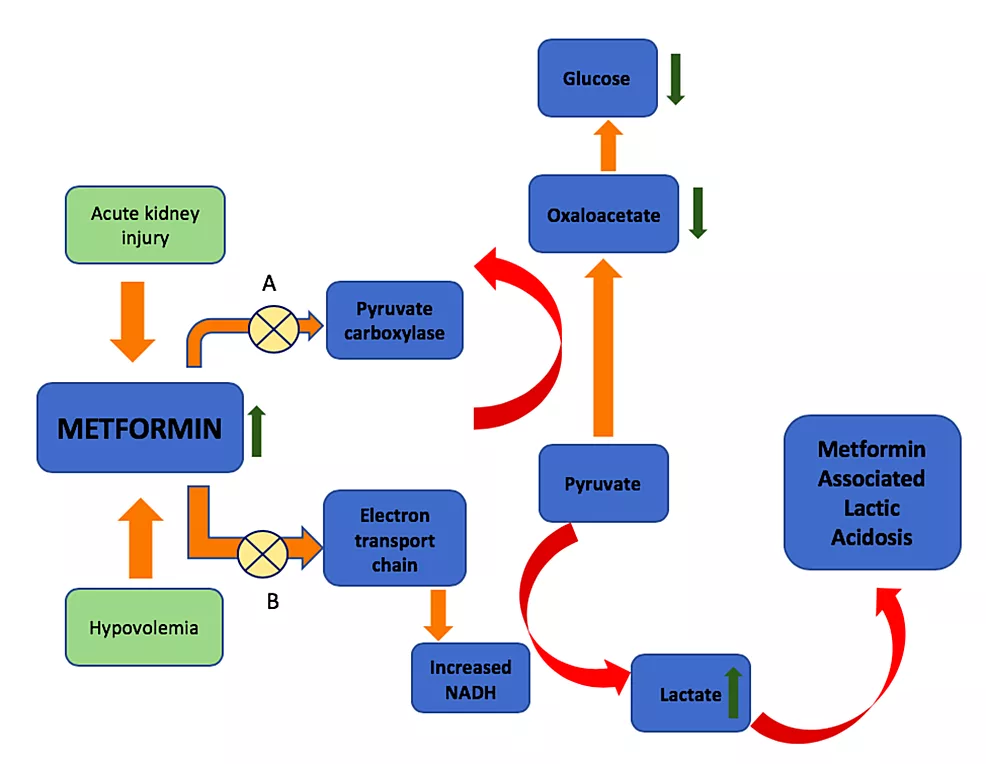
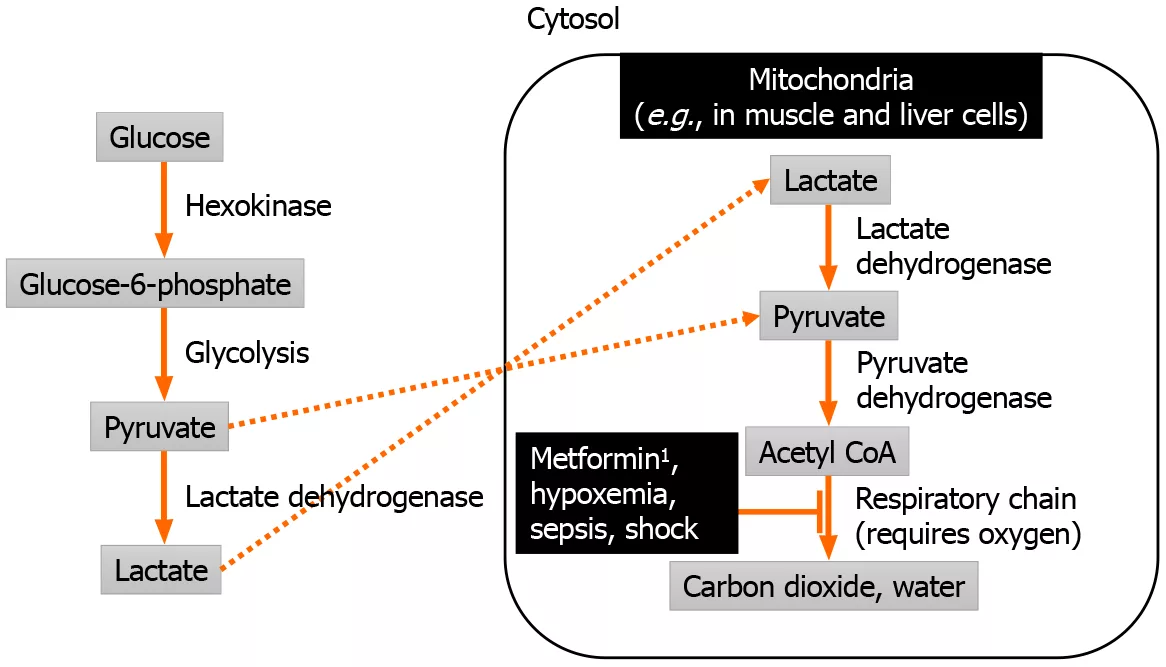
Metformin is cleared through the kidneys. If kidney function declines, the drug can accumulate.
Doctors typically stop or reduce metformin when:
- eGFR < 45 → caution / dose reduction
- eGFR < 30 → metformin usually stopped
This is done to avoid the rare but serious risk of lactic acidosis.
Even borderline kidney changes—especially in seniors—can trigger discontinuation.
2. Age + safety margin
In adults over 65–70, clinicians often become more conservative.
Reasons:
- Kidney function fluctuates more
- Dehydration risk is higher
- Acute illness can suddenly worsen clearance
Metformin may be removed preemptively, even if labs look “okay.”
3. Gastrointestinal intolerance
Common issues:
- Chronic diarrhea
- Nausea
- Appetite loss
- Weight loss beyond what’s desired
In older adults, these side effects can:
- Cause dehydration
- Worsen frailty
- Interfere with nutrition
Doctors may decide the tradeoff isn’t worth it.
4. Vitamin B12 deficiency
Long-term metformin use is linked to B12 depletion, which can cause:
- Neuropathy
- Balance problems
- Fatigue
- Cognitive changes
If you already have:
- Neuropathy
- Gait instability
- Prior stroke effects
they may remove metformin to avoid stacking risks.
5. Improved blood sugar control without it
Sometimes metformin is stopped because:
- A1C is stable or low
- Diet changes reduced glucose variability
- Weight loss improved insulin sensitivity
This is especially true if:
- You’re eating lower-carb
- You’re fasting intermittently
- Other meds were adjusted
Doctors may be “testing” how you do off metformin.
6. Interaction with imaging or acute illness
Metformin is often paused or stopped when:
- Contrast CT scans are ordered
- Hospitalization occurs
- Dehydration, infection, or heart failure is present
Sometimes it never gets restarted, intentionally.
7. Shift in treatment philosophy
In seniors with long-standing diabetes, some clinicians prioritize:
- Avoiding hypoglycemia
- Reducing pill burden
- Preventing complications over tight numbers
So the goal becomes:
“Safe control” instead of “perfect control.”
What this likely does not mean
- ❌ You failed treatment
- ❌ You’re being “written off”
- ❌ Metformin suddenly became dangerous for everyone
Most often, it means:
“The risk/benefit ratio changed for you.”
Smart next steps (simple and calm)
You can ask your doctor:
- “Was this due to kidney function or age-related safety?”
- “Was my eGFR or creatinine a concern?”
- “Are we monitoring B12 now that metformin is gone?”
- “What’s the new A1C target for me?”
Those four questions usually unlock the full rationale.
=====
No, not all grocery stores accept EBT, but most major chains (Walmart, Target, Kroger, Aldi, Costco, Publix, etc.), many local stores, and even some online retailers do, as long as they are authorized by the USDA and sell eligible food items, which you can find using the USDA SNAP Retailer Locator. Stores must apply and meet specific criteria to accept EBT, so smaller shops or those focusing on prepared foods might not be authorized. [1, 2, 3, 4, 5]
Where You Can Use EBT:
- Major Supermarkets: Walmart, Target, Kroger, Aldi, Safeway, Stop & Shop, Publix, H-E-B, Food Lion, etc..
- Wholesale Clubs: Costco, Sam’s Club, and BJ’s.
- Online: Amazon, Walmart, Instacart, Shipt, Kroger, and others.
- Farmers’ Markets & Local Shops: Many participate, often indicated by the Quest logo.
- Pharmacies: Some, like CVS and Walgreens, also accept EBT for eligible food items. [1, 2, 6, 7, 8]
Why Some Stores Don’t:
- Authorization Process: Stores must apply to the USDA Food and Nutrition Service (FNS) and meet criteria, like stocking staples in key food groups.
- Focus on Prepared Foods: Stores that primarily sell prepared foods or only a few food items might not qualify or find it worthwhile. [3, 5, 9]
How to Find Stores:
[1] https://www.nokidhungry.org/blog/where-can-i-use-snap-benefits-ebt-card
[2] https://www.ncoa.org/article/where-can-i-use-snap-benefits/
[3] https://finance.yahoo.com/news/why-doesn-t-every-grocery-113011468.html
[4] https://www.fns.usda.gov/snap/retailer-locator
[6] https://www.propel.app/snap/grocery-stores-that-take-ebt-full-list/
[7] https://www.quora.com/Which-supermarkets-do-not-accept-Electronic-benefit-Transfer-EBT-cards
[8] https://www.propel.app/snap/ebt-online-shopping/
[9] https://www.fns.usda.gov/snap/retailer/eligible
=====