The Warrior Monk: Then and Now
The Warrior Monk: Then and Now
A practical tradition for seniors who want to begin again
Introduction: Why the Warrior Monk Still Matters
Throughout history, there have been men and women who chose a demanding path that blended discipline, service, physical training, and inner steadiness.
They were not chasing glory. They were learning how to stand firm in difficult times.
These figures are often referred to as warrior monks. While the details vary by culture, the core idea is simple:
Live simply. Train daily. Serve something larger than yourself.
For seniors looking to reboot late in life, this tradition offers something rare today:
a clear structure for rebuilding strength, purpose, and self-respect—without hype or philosophy overload.
What Is a Warrior Monk?
A warrior monk is not just a fighter. Historically, they combined:
- Physical discipline
- Moral restraint
- Spiritual or ethical commitment
- Service to a community or cause
They trained their bodies so the mind could stay steady under pressure.
This balance is what makes the tradition useful even now.
Historical Examples (Brief and Practical)
Shaolin Monks (China)
The Shaolin monks are perhaps the most famous warrior monks.
They focused on:
- Daily movement and conditioning
- Balance, flexibility, and breath
- Discipline over aggression
Their training was as much about health and longevity as defense.
Lesson for today:
Movement is medicine. Gentle but consistent practice builds resilience.
Knights Templar (Europe)
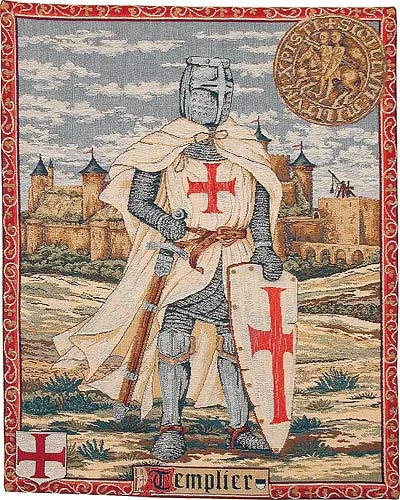
The Knights Templar were monks who lived under vows but also served as protectors of travelers.
Their lives emphasized:
- Clear rules
- Brotherhood and accountability
- Simple living
Lesson for today:
Structure reduces chaos. Clear routines help stabilize life after disruption.
Yamabushi (Japan)
Yamabushi monks practiced endurance in nature—long walks, cold exposure, silence.
Their training focused on:
- Mental toughness
- Comfort with discomfort
- Self-reliance
Lesson for today:
You don’t need comfort to thrive. You need confidence in your ability to adapt.
Teutonic Knights (Northern Europe)
These warrior monks lived by strict codes and daily duty.
They believed:
- Order creates strength
- Responsibility gives meaning
Lesson for today:
Daily responsibility—even small tasks—restores dignity and purpose.
What the Warrior Monk Was Not
To avoid confusion, it helps to be clear.
Warrior monks were not:
- Rage-driven fighters
- Philosophical talkers detached from reality
- Seekers of dominance
They valued control, restraint, and readiness.
That matters for seniors because the goal is not conquest—it is self-mastery.
The Modern Senior Warrior Monk (Reinterpreted)
You are not joining a monastery or picking up a sword.
A modern senior warrior monk is someone who decides:
- “I will train my body enough to stay capable.”
- “I will live simply so stress doesn’t own me.”
- “I will keep my word to myself.”
This is about regaining ground, not pretending to be young again.
Core Principles for Today
1. Daily Physical Practice
Nothing extreme. Just consistent.
Examples:
- Walking with posture
- Light strength training
- Balance exercises
- Stretching with breath
Rule: Never miss two days in a row.
2. Simple Living
Warrior monks carried little.
Modern version:
- Fewer possessions
- Cleaner routines
- Less noise
This creates mental breathing room.
3. Discipline Over Motivation
They trained whether they felt like it or not.
Today that means:
- Fixed wake-up times
- Scheduled movement
- Planned meals
Discipline removes decision fatigue.
4. Service, Even Small
Historically, warrior monks served travelers, villages, or temples.
Modern service might be:
- Helping neighbors
- Caring for animals
- Sharing experience with younger people
Service anchors life in meaning.
5. Emotional Control
They trained to stay calm under stress.
For seniors:
- Slower reactions
- Fewer arguments
- Less self-blame
Calm is strength.
Why This Path Works After 60
This tradition works especially well later in life because it:
- Respects limitations without surrender
- Rewards consistency over intensity
- Values wisdom gained through hardship
- Turns aging into an advantage, not a flaw
You don’t need speed.
You need steadiness.
A Quiet Reboot, Not a Loud One
The warrior monk path is not about reinvention through drama.
It is about:
- Getting up
- Training a little
- Living clean
- Keeping your word
Over time, this rebuilds something deeper than fitness.
It rebuilds self-trust.
Closing Thought
You don’t have to believe in ancient orders or spiritual labels.
Just borrow what works.
The warrior monks of history left behind a simple message:
Strength is built daily. Calm is trained. Purpose is chosen.
That message still holds—especially now.
Embrace Kaizen, and strive for lifelong improvement.