Zero-Waste Yogurt Kitchen

Zero-Waste Yogurt Kitchen
How One Simple Habit Turns Milk into Meals, Nutrition, and Independence
A Phoenix72 blog post
Most of us were taught—quietly, without question—that leftovers are scraps and scraps are trash.
But that wasn’t always true.
In a zero-waste yogurt kitchen, nothing is extra. Nothing is accidental. Yogurt and whey are not separate products—they are partners. One feeds the body directly. The other supports it quietly, over time.
This is how people cooked when money was tight, supplies were uncertain, and wasting food simply wasn’t an option.
And it still works today.
What Whey Really Is (And Why We Were Wrong About It)
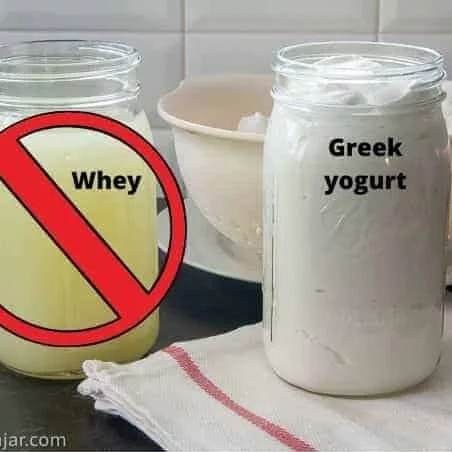
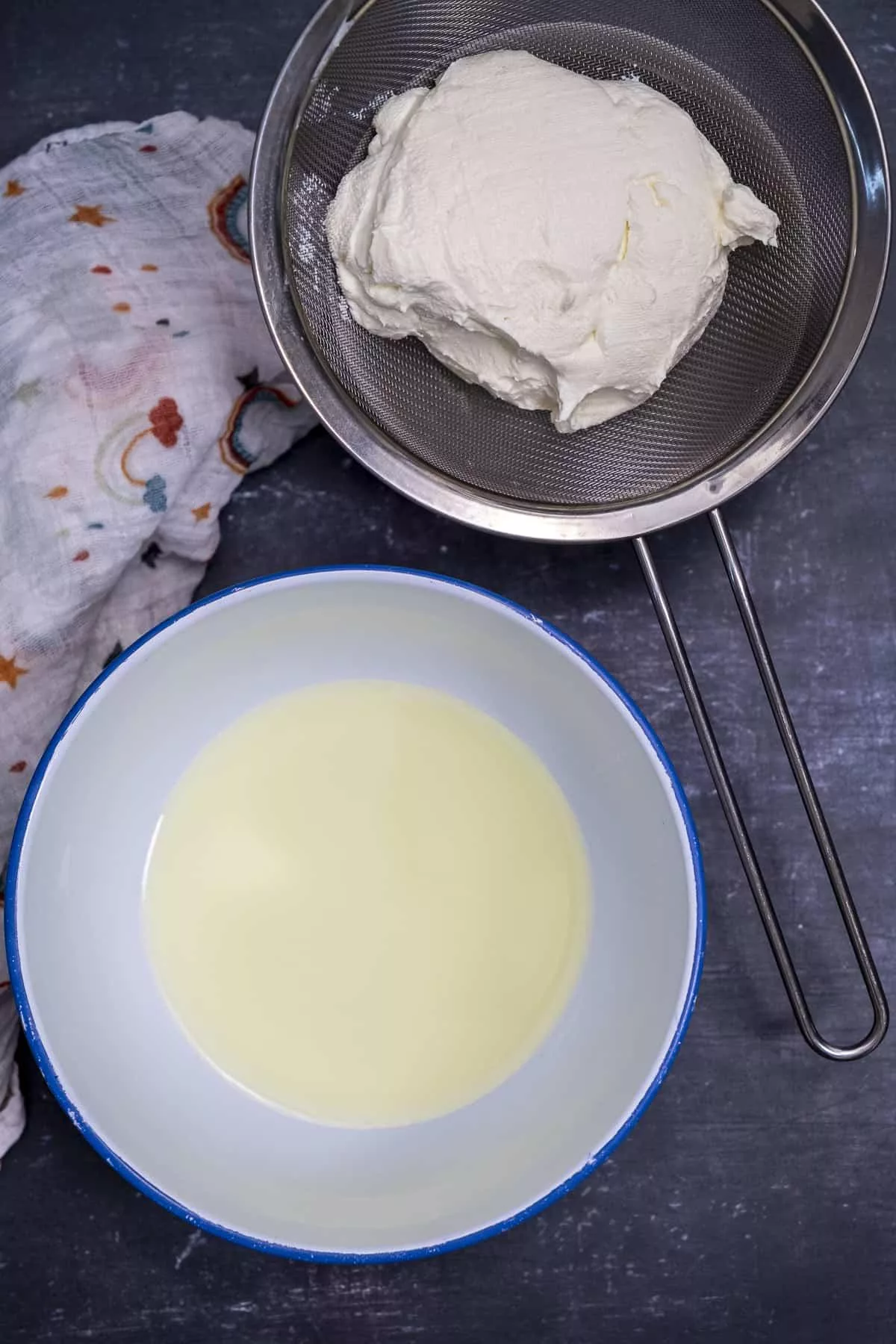
Whey is the pale liquid left behind when yogurt is strained.
Modern kitchens treat it like runoff. Traditional kitchens treated it like nutrition.
Whey contains:
- protein
- minerals (calcium, potassium)
- beneficial acids that support digestion
It’s not “by-product.”
It’s food in liquid form.
The Zero-Waste Yogurt Flow
(Milk → Yogurt → Whey → Uses)
Think in flows, not leftovers.
- Milk becomes yogurt
- Yogurt becomes thick, protein-dense food
- Whey becomes:
- cooking liquid
- fermentation starter
- mineral drink
- garden input
One purchase. Many uses.
That’s how independence is built—quietly.
Daily Uses for Whey (Simple, Senior-Friendly)
Morning
- Add 1–2 tablespoons to coffee or tea
- Use in scrambled eggs for softness and protein
Midday
- Replace water in soups or bone broth
- Add to smoothies instead of milk
Evening
- Use in baking: pancakes, biscuits, flatbreads
- Stir into stews at the end (low heat)
No special recipes required.
Just substitutions.
Fermentation: Old Knowledge Still Works
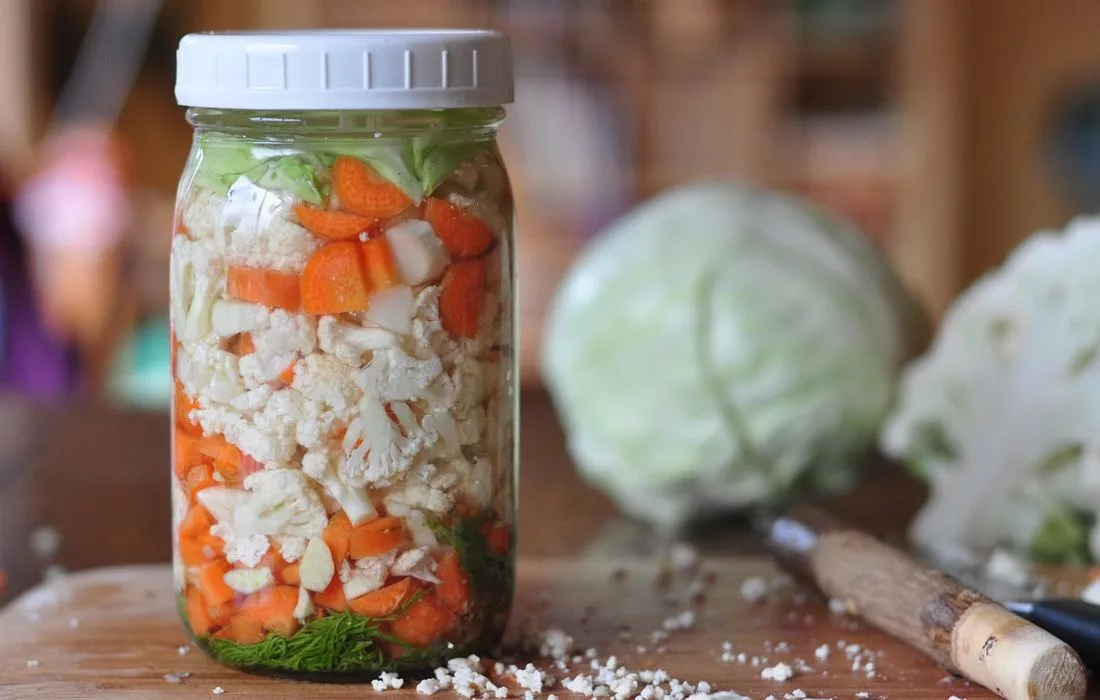
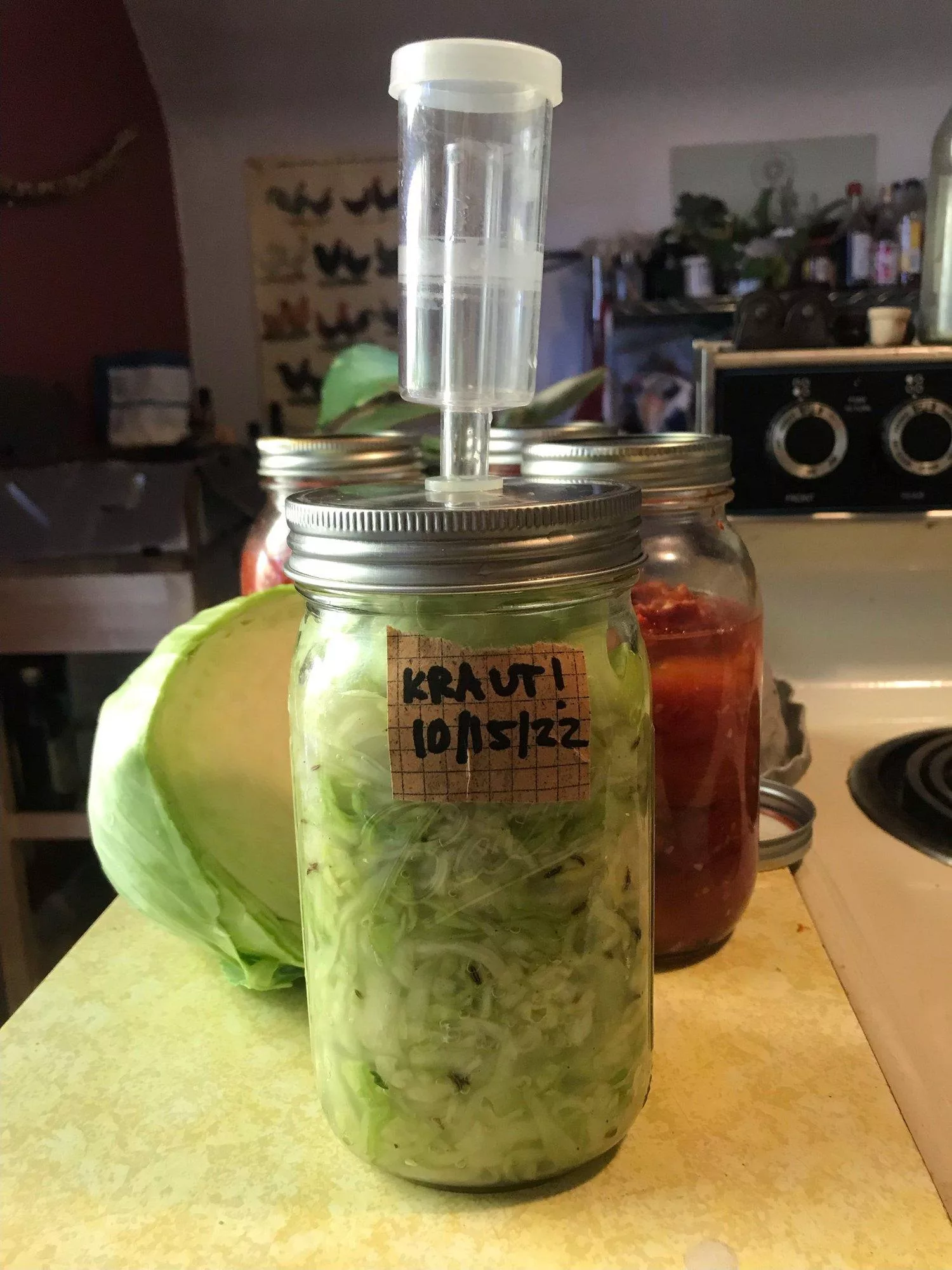
A tablespoon or two of whey can jump-start fermentation.
- Sauerkraut
- Pickles
- Carrots
This is how food lasted before freezers and preservatives.
It still works because biology hasn’t changed.
Beyond the Plate: Nothing Wasted
Garden
- Dilute whey 1:5 with water
- Feed soil, not leaves
Compost
- Adds moisture and microbes
- Speeds decomposition
This is not about being “eco.”
It’s about closing the loop.
Storage: Keep It Honest
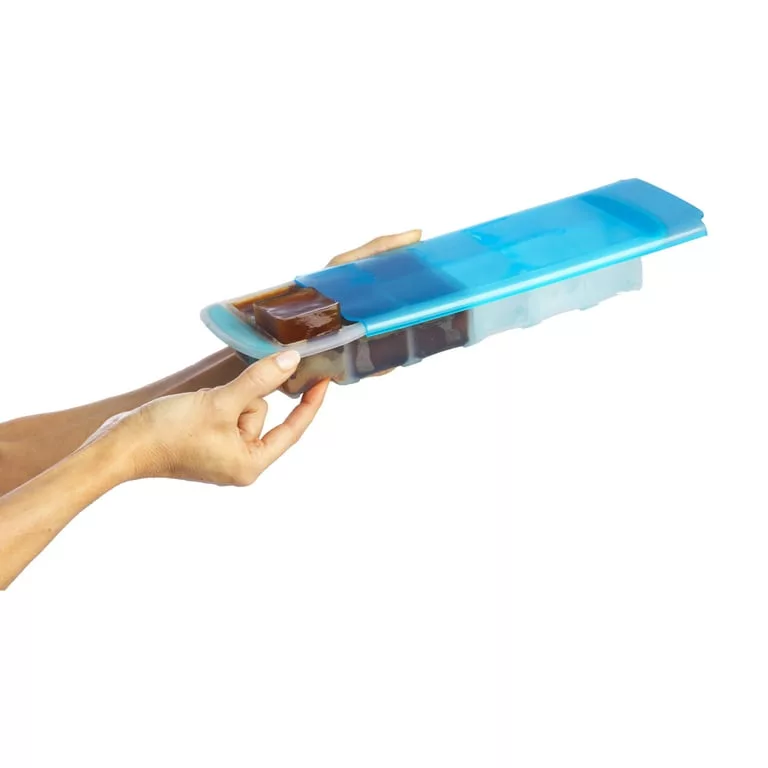
- Refrigerate up to 5–7 days in a sealed jar
- Freeze in ice cube trays for portion control
- Label it—whey looks like water
Organization is what makes zero-waste sustainable.
The Deeper Lesson (Phoenix72)
Zero-waste isn’t about virtue.
It’s about respect.
Respect for:
- your food
- your budget
- your body
- your ability to adapt
When you stop throwing useful things away, you stop throwing parts of yourself away too.
A zero-waste yogurt kitchen isn’t trendy.
It’s a small act of self-reliance—repeated daily.
And that’s how rebuilding actually happens.
Reflection (Optional, but Worth It)
- What else do I throw away because I was told it had no value?
- Where could one small habit reduce cost and increase nourishment?
- What would my kitchen look like if nothing was “extra”?
Phoenix72 Closing Thought
You don’t need more products.
You need fewer blind spots.
Milk → Yogurt → Whey → Strength.
That’s not minimalism.
That’s wisdom.
If you want next steps, I can:
- turn this into a printable one-page guide
- adapt it into a chapter for your Phoenix72 reboot book
- create a Pinterest + Substack version
- build a diabetic-focused whey use chart
Just tell me where you want it to live.