Day 59/100 Test Negative For Stupid
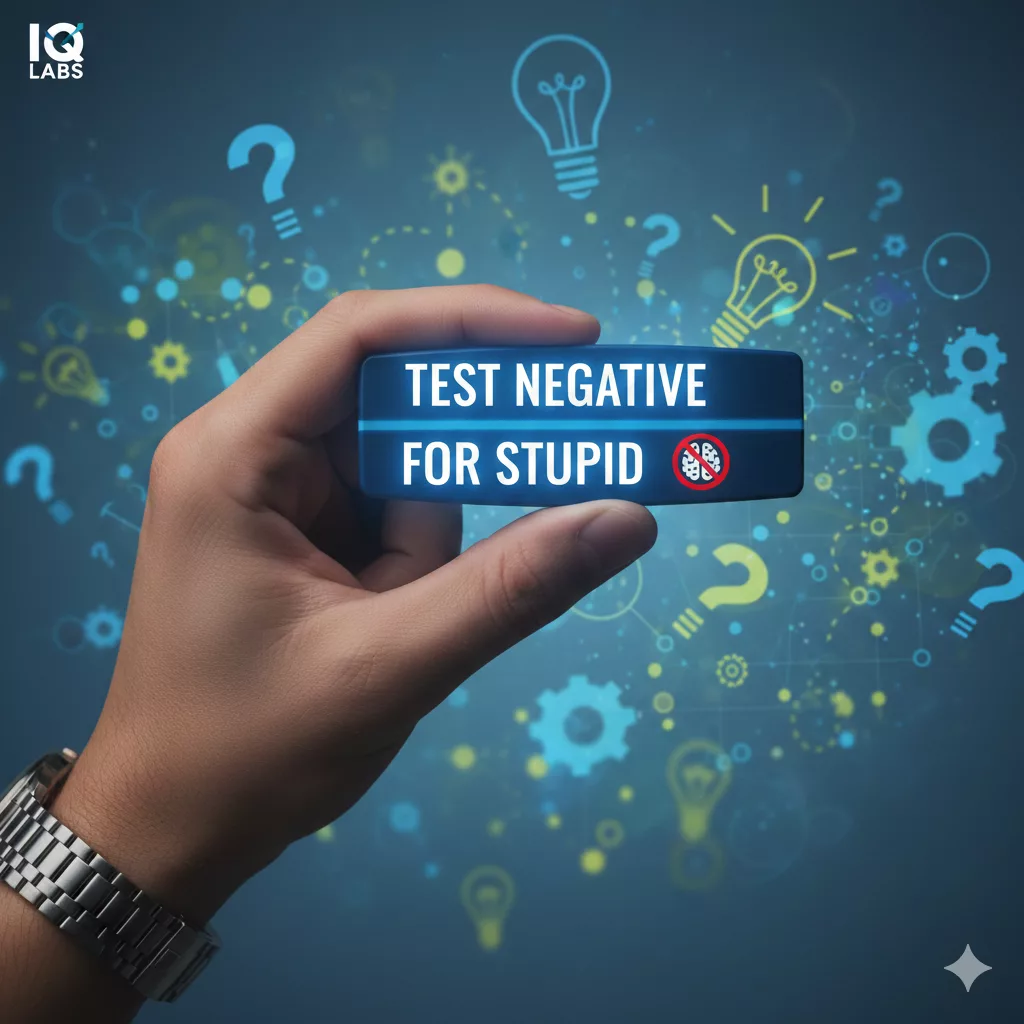
Test Negative For Stupid
Stormin’
- https://townhall.com/columnists/victordavishanson/2025/12/19/can-the-dark-ages-return-n2668175
- https://www.verywellhealth.com/low-iron-symptoms-11802492?hid=457216e8e65815a3ddc25f44a77d440633abf5a5&did=21057781-20251219&utm_source=verywellhealth&utm_medium=email&utm_campaign=verywellhealth-today-newsletter&utm_content=121925&lctg=457216e8e65815a3ddc25f44a77d440633abf5a5&lr_input=9085174ae5a7228d76ec58081e335ebc5b99c694fb8f5d41ffd48eaa197495e4&utm_term=AM
- https://www.youtube.com/watch?v=gBgRgn3ENeQ
=====
Introduction: what the book is and how it performed
How to Test Negative for Stupid: And Why Washington Never Will is a satirical, quote-driven political book by U.S. Senator John Kennedy (Louisiana) that blends folksy one-liners, inside-the-Senate anecdotes, and broad institutional ridicule into a “tongue-in-cheek guidebook” to Washington dysfunction. (HarperCollins)
It was released October 7, 2025 (Broadside Books/HarperCollins) and is positioned as a #1 New York Times Bestseller in publisher and trade coverage. (HarperCollins)
Reader reception appears highly positive in aggregate on Goodreads list data (high average rating and thousands of ratings), suggesting strong “base audience” pull and high giftability/impulse-buy appeal. (Goodreads)
Note on your “pre-2021” requirement: this title is a 2025 release, so it cannot have Amazon/Goodreads/B&N review history from before 2021. The analysis below reflects early post-release reception and comparable category patterns. (HarperCollins)
1) The Strengths (what sets it apart)
- A distinctive “quotable senator” brand packaged as a book. The product is engineered around punchlines and repeatable lines—high shareability, high “read a page anywhere” friendliness. (HarperCollins)
- Voice consistency: plainspoken + combative + comedic. The Kirkus review highlights the “candor” framing and the steady stream of witticisms (even when it finds them groan-worthy). That consistency is a commercial advantage: readers know exactly what they’re buying. (Kirkus Reviews)
- Insider proximity. “Inside the Senate” positioning gives readers the feeling of backstage access to how Washington operates (or fails to). (HarperCollins)
- Polarization as a feature (for the core audience). A clearly ideological edge can boost loyalty and word-of-mouth among aligned readers, which often drives bestseller bursts. (Kirkus Reviews)
2) The Weaknesses (where it could be improved)
- Humor density can substitute for depth. When a book leans heavily on zingers, some readers experience it as “bits” rather than a cohesive argument or new insight—high entertainment, lower takeaway. (Kirkus Reviews)
- Perceived imbalance in “equal-opportunity” criticism. Kirkus notes the author claims broad critique, but reads as much harsher on liberals and strongly favorable to Trump—this can reduce credibility for readers seeking a more even-handed takedown of Washington generally. (Kirkus Reviews)
- Risk of “groan-worthy folksy” fatigue. The same folksy style that delights fans can feel repetitive or juvenile to others (the review calls out coined insults and a collapsing effect “as the pages add up”). (Kirkus Reviews)
- Narrow tent problem. The sharper the partisan identity, the more the book may cap its cross-over audience (moderates, politically homeless readers, readers wanting policy clarity). (Kirkus Reviews)
3) Why they bought (what readers likely wanted)
- They wanted to laugh at Washington—and they enjoy political ridicule as relief/validation. (HarperCollins)
- They like Kennedy’s public persona (“quotable senator” energy) and want it in concentrated form—something easy to dip into, highlight, and share. (HarperCollins)
- They want moral clarity and catharsis, not nuance: a strong “system is broken and the elites are ridiculous” narrative that matches their worldview. (Kirkus Reviews)
- They’re buying a giftable object: the title hook + humor promise + bestseller framing makes it an easy present for politically like-minded friends/family. (HarperCollins)
4) Why they may not buy (what turns readers off)
- They don’t want partisan comedy (or they’re on the other side of it). Kirkus explicitly flags the ideological target selection and mockery style as polarizing. (Kirkus Reviews)
- They want solutions, not just scorched-earth commentary. Readers fatigued by “politics as entertainment” may skip a book that feels like a stand-up set without constructive payoff. (Kirkus Reviews)
- They dislike insult-humor and coined pejoratives. That style can read as petty rather than perceptive, shrinking the audience to true fans. (Kirkus Reviews)
- They’re skeptical of “insider attacks the system” narratives. Some readers see it as performative: a senator criticizing the institution he helps run, without accountability or specificity. (Kirkus Reviews)
If you’re self-publishing a competing book in this market: 7–10 critical elements to include (and mistakes to avoid)
- Pick your lane and label it honestly.
- If you’re partisan, say so. If you’re “equal-opportunity,” prove it with balanced targets and receipts.
- Deliver more than jokes: create “laugh + learn” value.
- Mistake to avoid: a pile of one-liners with no synthesis.
- Include short chapters that end with a real insight, a principle, or a tactic for citizens.
- Make credibility visible (even in humor).
- Use light sourcing, timelines, named examples, and clear distinctions between satire and claims.
- Structure it like a bingeable product.
- Ultra-short chapters, “quick-hit” sections, and a killer opening 10 pages.
- Add “best of” quote boxes—but don’t let them replace the argument.
- Offer a fresh frame, not the same “Washington is dumb” thesis.
- Win by specificity: how incentives work, how media loops work, how committees work, how money/time pressures distort decisions.
- Write for the exhausted reader.
- Keep it clean, punchy, and human—less rage, more clarity.
- Mistake to avoid: endless sneering tone that feels like doomscrolling in book form.
- Include a “What to do next” section that’s actually usable.
- Citizen playbook, local action, media diet, civic habits, how to evaluate claims—anything actionable.
- Broaden the tent without going mushy.
- A big opportunity is “anti-dysfunction” without tribal signaling—humor that doesn’t require hating a whole demographic to land.
- Avoid inside-base shibboleths unless your goal is only the base.
- If you want crossover sales, reduce niche insult slang and increase universally recognizable absurdities.
- Market angle matters as much as content.
- Compete with a sharper “promise”: e.g., “A citizen’s field guide to spotting political nonsense in 60 seconds.”
- The title/subtitle combo should communicate your unique mechanism, not just your attitude.
=====
Here’s the main point of the Townhall column “Can the Dark Ages Return?” by Victor Davis Hanson:
👉 Hanson warns that Western civilization could slip into a modern “Dark Age” if key cultural, social, and institutional foundations erode — drawing historical parallels with past civilizational collapses. He argues that when wealth, complacency, declining traditional values, tribalism, and weakening institutions replace unity, discipline, and meritocratic norms, societies risk losing science, law, and order — as happened after the fall of ancient Greece and Rome. However, he also notes that historically reform and renaissance have been more common than full collapse, but preventing decline requires unity, courage, and action. (townhall.com)
If you want, I can summarize his key historical examples and modern comparisons in bullet points too.
=====